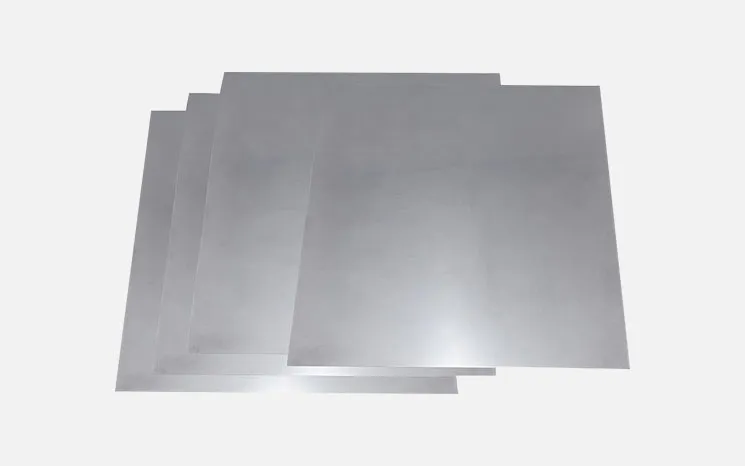
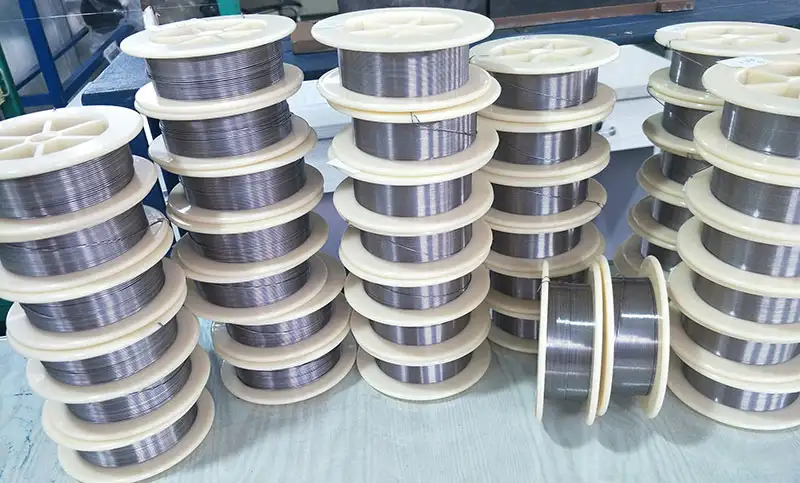
When engineering components must operate in environments exceeding 1000°C, traditional materials like steel or nickel alloys often succumb to thermal softening and creep. This is where molybdenum alloys excel, offering exceptional strength retention at temperatures that would render most metals structurally unsound. As industries from aerospace to semiconductor manufacturing push thermal boundaries, understanding the unique capabilities of these refractory alloys becomes critical. In this article, we examine the fundamental properties of molybdenum alloys, their high-temperature performance, key applications, and what to look for when sourcing materials from suppliers like Better Metal.
Molybdenum, with a melting point of 2620°C, belongs to the refractory metals group. Its atomic structure provides high elastic modulus and excellent electrical and thermal conductivity. However, pure molybdenum suffers from low ductility and susceptibility to oxidation at high temperatures. Alloying elements such as titanium, zirconium, hafnium, and carbon are added to enhance strength, recrystallization resistance, and oxidation protection. The resulting molybdenum alloys maintain their mechanical integrity well beyond the operational limits of superalloys.
Several standard grades have been developed for specific thermal and mechanical demands:
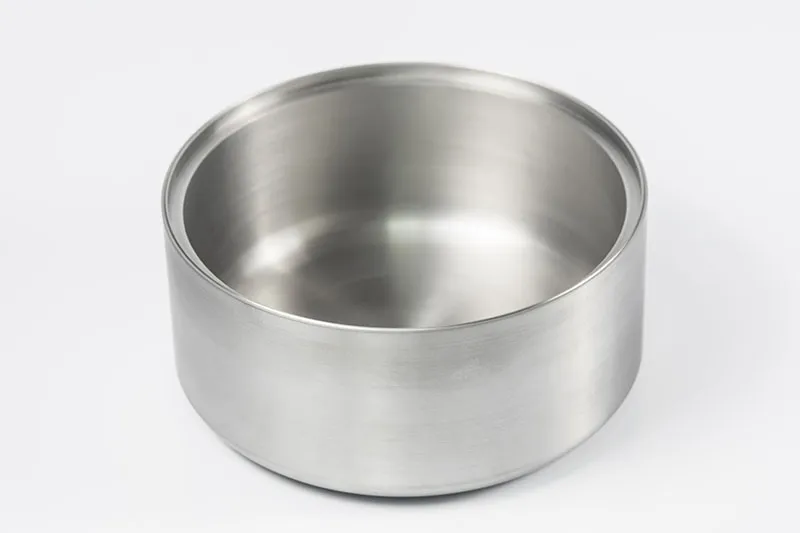
At elevated temperatures, metals undergo time-dependent deformation known as creep. Molybdenum alloys exhibit low creep rates due to their high recrystallization temperature (typically 1200-1500°C depending on the grade). For example, TZM retains over 300 MPa tensile strength at 1000°C, while nickel-based superalloys have dropped below 100 MPa at the same temperature. This strength preservation is critical for components like furnace hot zones, where dimensional stability must be maintained over thousands of hours.
To illustrate the advantage, consider the following comparison of tensile strength at 1000°C:
Molybdenum alloys also offer a favorable strength-to-weight ratio compared to tungsten, making them preferable for rotating or moving assemblies. Furthermore, their thermal expansion coefficient closely matches that of ceramics, an advantage in composite structures.
High-temperature vacuum and hydrogen furnaces rely on molybdenum for heating elements, reflectors, and work supports. The alloy resists sagging and maintains its shape even near its melting point. Better Metal supplies precision‑machined molybdenum boats, crucibles, and hot zones that reduce downtime and improve energy efficiency.
Molybdenum's low coefficient of thermal expansion and high electrical conductivity make it ideal for semiconductor wafer handling, ion implantation components, and heat sinks for power devices. In LED manufacturing, molybdenum sub‑mounts efficiently dissipate heat while matching the CTE of gallium nitride substrates.
Rocket nozzles, missile fins, and hypersonic vehicle leading edges experience brief but extreme thermal fluxes. Molybdenum alloys provide the necessary strength and erosion resistance without the brittleness of ceramics. They are also used in thrust vector controls and turbine seals.

Selecting the right supplier is as crucial as selecting the right alloy. Better Metal operates ISO‑certified facilities that perform rigorous testing on every batch—chemical composition analysis, mechanical testing at temperature, and ultrasonic inspection for internal defects. Their manufacturing capabilities include:
Not all high‑temperature challenges are solved with off‑the‑shelf grades. Better Metal works closely with customers to develop proprietary alloys that meet specific creep, oxidation, or conductivity requirements. Their engineering team can recommend the optimal grade—be it TZM, MHC, or a custom composition—and provide detailed finite element analysis support. With a global supply chain and short lead times, they help clients avoid costly production delays.
In conclusion, molybdenum alloys remain the material of choice when strength at high temperatures is non‑negotiable. Their unique combination of thermal stability, mechanical resilience, and fabricability makes them indispensable across advanced manufacturing sectors. By partnering with an experienced supplier like Better Metal, engineers and procurement professionals gain access to high‑quality materials, technical expertise, and tailored solutions that ensure components perform reliably under the most extreme conditions.
Share this page
If you have any product needs or questions, please leave us a message for consultation.
TEL: 86-18623759992
jason@bettmetal.com

Innovating Materials
for a Brighter Future