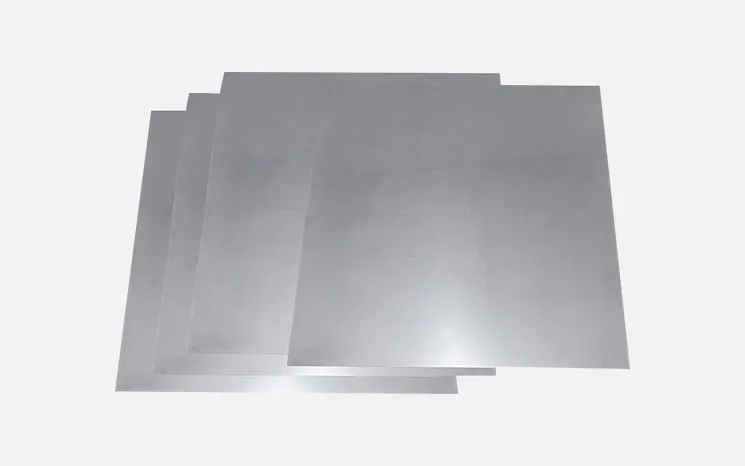
When you plan to wear a ring every day for decades, "how long will it last?" becomes the most important question you can ask. Tungsten and titanium are the two metals most often recommended to buyers who want a modern, low-maintenance wedding band, and both are frequently described as virtually indestructible. That claim deserves scrutiny. Tungsten rings are almost always made from tungsten carbide, a composite that behaves very differently from the pure titanium and titanium alloys used in jewelry. The two metals resist damage in opposite ways, and the one that lasts longer depends entirely on whether you define longevity as resistance to scratching, resistance to bending, or the ability to be repaired. This guide compares them honestly.
Durability is not one property. A ring can fail in several distinct ways, and the metal that wins on one front may lose badly on another. Before comparing tungsten and titanium, separate the question into four measurable parts:
A band that keeps a flawless mirror polish for twenty years but shatters on a doorframe is not more durable than a band that dulls slightly but survives every impact. Keep all four criteria in mind as you read on.
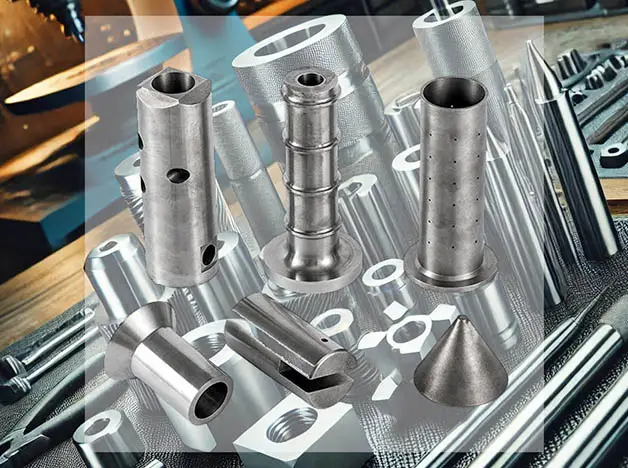
Jewelry tungsten is not pure tungsten metal. It is tungsten carbide, a compound of tungsten and carbon, sintered with a small percentage of a binder metal such as nickel or cobalt. That composite is what gives tungsten rings their extreme hardness. Titanium rings, by contrast, are usually made from commercially pure titanium or the Ti-6Al-4V alloy, valued for its low density and its natural oxide layer that resists corrosion.
The practical consequences of this difference are significant. Tungsten carbide measures roughly 8.5 to 9 on the Mohs hardness scale, close to sapphire and well above the 6 of titanium. Titanium is also far lighter, with a density of about 4.5 g/cm³ compared to roughly 15.6 g/cm³ for tungsten carbide. Hardness buys scratch resistance; low density buys comfort. Brittleness and repairability, however, are where the trade-offs become uncomfortable.
Tungsten carbide wins this category decisively. In everyday wear, it does not pick up the fine surface scratches that gradually dull a titanium band. A polished tungsten ring can look nearly new after years of office work, driving, and light chores. The caveat is that hardness is not the same as toughness: tungsten carbide can still be scratched by diamond and other materials harder than itself, and a hard blow can chip the edge of the band rather than scratch the face.
Titanium scratches more readily. Over time, a polished titanium ring develops a soft, satin-like patina as micro-scratches accumulate. Many owners accept this as character; others have the ring re-polished periodically. Brushed and matte titanium finishes hide wear much better than high-polish finishes, which is why they are common in titanium wedding bands.
This is where the comparison reverses. Tungsten carbide is hard but brittle. Under a sharp, concentrated impact — a heavy weight dropped on the ring, a hard fall onto concrete, or a slammed car door — it can crack or fracture rather than bend. A cracked tungsten ring cannot be repaired; it must be replaced.
Titanium is ductile. It bends and dents under extreme force instead of shattering, which means the ring stays in one piece. A bent titanium band can often be straightened or refinished by a jeweler. If your work or hobbies involve heavy impact, titanium's failure mode is generally the safer and more recoverable one.
Tungsten carbide feels substantial and dense. Many buyers describe it as having a reassuring, premium weight, and that heft is one reason the metal became popular in men's bands. The downside is that a heavy ring can feel intrusive during sports, typing, or manual work.
Titanium is roughly a third of the weight of tungsten carbide. Some wearers barely notice it after a few days. For anyone who dislikes the sensation of jewelry, or who works with their hands, titanium is usually the more comfortable long-term choice.
Both metals are excellent in this category, which is why both are marketed as hypoallergenic. Titanium forms a stable, self-healing oxide layer that resists salt water, sweat, and chlorine, making it a common choice for dive watches and medical implants. Tungsten carbide is chemically inert and will not tarnish, rust, or discolor.
One detail matters more than most buyers expect: the binder metal in tungsten carbide. Rings made with a cobalt binder can react with skin in sensitive individuals and, in rare cases, develop surface pitting over years of wear. Nickel-binder tungsten carbide avoids this problem. If skin sensitivity is a concern, either choose a reputable nickel-binder tungsten ring or select titanium.
Titanium has the advantage here on both counts. It can sometimes be resized, though many jewelers limit the adjustment to about one size and some alloys are difficult to work with. It can also be cut off in an emergency with standard ring-cutting equipment, though titanium is tough enough that hospital staff may need a powered cutter.
Tungsten carbide cannot be resized at all. Because it is so hard, it is also not cut off with conventional ring cutters — emergency responders typically use locking pliers to crack the band, which works because the material is brittle. That method is fast and safe for the finger, but it destroys the ring. If your finger size is likely to change, factor in the cost of replacement rather than adjustment.
| Factor | Tungsten Carbide | Titanium |
|---|---|---|
| Hardness (Mohs) | Approx. 8.5–9 | Approx. 6 |
| Scratch resistance | Excellent | Moderate |
| Impact behavior | Can crack or shatter | Bends or dents |
| Weight | Heavy and dense | Light |
| Tarnish and corrosion | Inert; no tarnish | Excellent; no tarnish |
| Resizing | Not possible | Sometimes possible |
| Emergency removal | Cracked with pliers; destroyed | Cut with specialized tools; destroyed |
| Finish after years of wear | Retains original polish | Develops soft patina unless re-polished |

There is no single winner, because the two metals age in different ways.
In practical terms, the real risk to a tungsten ring is a single bad impact on a hard, unforgiving surface. The real risk to a titanium ring is gradual cosmetic wear. Neither risk is hypothetical, and neither metal will outlast the other in every scenario. The honest answer is that titanium has the edge in structural longevity and adaptability, while tungsten carbide has the edge in appearance retention.
Match the metal to how the ring will actually be worn, not to a marketing slogan.
Material quality also varies between suppliers, and that variance affects how long a ring truly lasts. Sourcing from a manufacturer that controls sintering quality matters as much as choosing between the two metals. Better Metal supplies both tungsten carbide and titanium bands, which makes it easier to compare composition, binder type, and finish options before committing to a design.
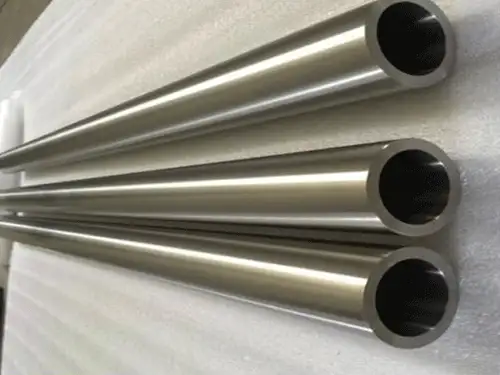
No. Tungsten carbide cannot be welded, soldered, or reshaped. A cracked or chipped band must be replaced entirely. This is the single biggest argument in favor of titanium for buyers who are hard on their hands.
Titanium scratches more easily than tungsten carbide, but less easily than gold or silver. Brushed and matte finishes mask the fine scratches that accumulate, while high-polish finishes show them more clearly and may need periodic re-polishing.
Titanium is widely regarded as one of the most biocompatible jewelry metals. Tungsten carbide itself is inert, but the binder can matter — cobalt binders occasionally cause reactions in sensitive wearers, while nickel binders are generally better tolerated.
For most people, titanium offers the better balance of comfort, impact resistance, and flexibility over decades. Tungsten carbide is the better choice if maintaining a flawless polished surface with zero maintenance is your priority and your daily environment is not impact-heavy.
Tungsten and titanium are both genuinely durable, and the choice between them comes down to which kind of failure you would rather avoid. Tungsten carbide refuses to scratch, then breaks when pushed too hard. Titanium refuses to break, then slowly loses its shine. If your definition of lasting is looking untouched, tungsten carbide wins. If your definition of lasting is still being on your finger and intact after twenty years of real life, titanium is the safer bet. Decide which of those matters more to you, and the decision becomes simple.
Share this page

If you have any product needs or questions, please leave us a message for consultation.
TEL: 86-18623759992
jason@bettmetal.com

Innovating Materials
for a Brighter Future