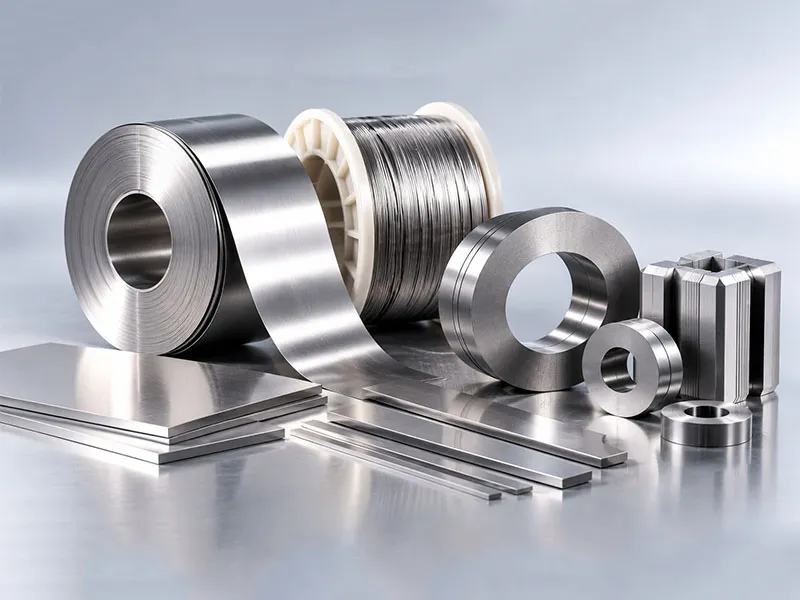
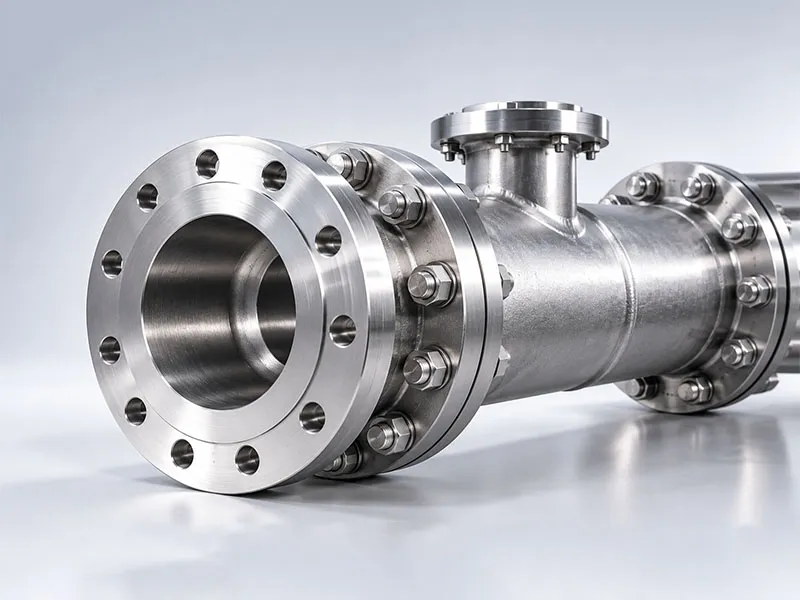
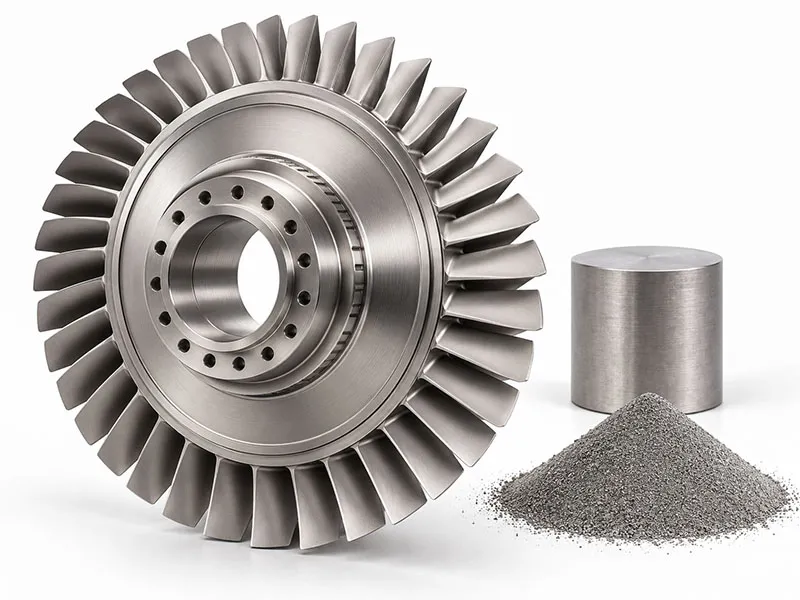
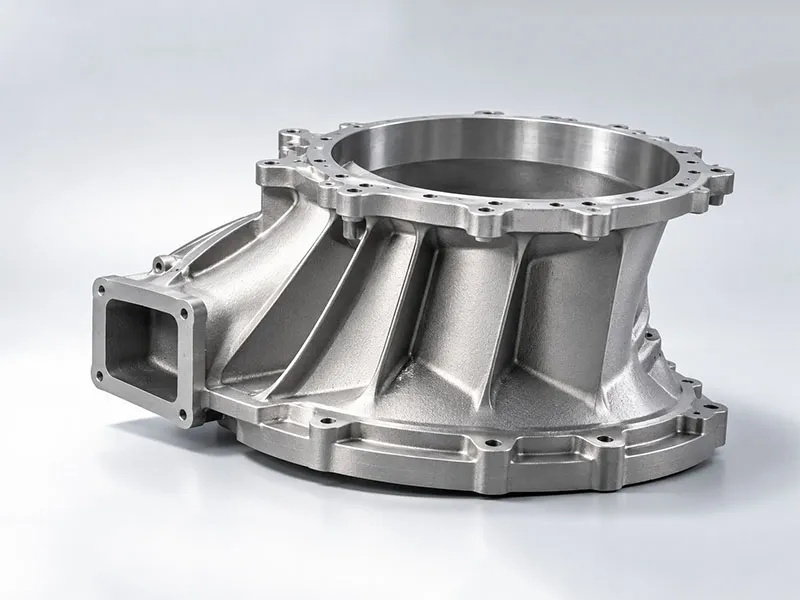
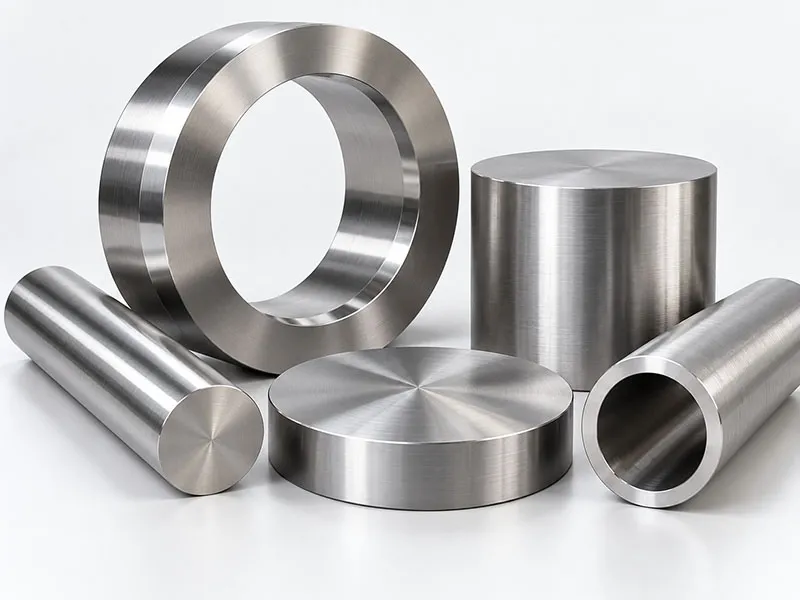
Nickel-based superalloys exhibit exceptional mechanical strength, resistance to thermal creep deformation, and unmatched chemical stability. Due to their unique metallurgical properties, they excel where conventional stainless steels and other structural metals fail.
Superior High-Temperature Strength
Nickel-based alloys maintain remarkable tensile strength, yield strength, and creep-rupture resistance at elevated temperatures ranging from 650°C to well over 1000°C.
Exceptional Corrosion & Oxidation Resistance
Enriched with elements such as chromium, molybdenum, and iron, these alloys resist severe oxidation, carburization, stress-corrosion cracking (SCC), and erosion in aggressive acidic or alkaline media.
High Structural Stability & Fatigue Life
Featuring a stable austenitic face-centered cubic (FCC) matrix, nickel alloys display outstanding resistance to thermal fatigue, thermal shock, and mechanical degradation over extended operational lifespans.
Versatile Fabricability & Weldability
Selected solid-solution and precipitation-hardened grades demonstrate favorable hot/cold workability, machinability, and post-weld crack resistance for complex component manufacturing.
What is a nickel-based superalloy?
A nickel-based superalloy is an alloy containing nickel as the primary base element (typically 50% or more by weight), alloyed with elements such as chromium, molybdenum, cobalt, tungsten, aluminum, and titanium. It is engineered to perform at operating temperatures above 650°C (1200°F) while maintaining mechanical strength and resistance to surface degradation.
What are the key differences between Inconel, Hastelloy, and Monel?
Inconel is primarily a nickel-chromium formulation designed for extreme high-temperature oxidation and strength (aerospace, turbines). Hastelloy is an advanced nickel-chromium-molybdenum alloy engineered for superior resistance to aggressive chemicals and pitting corrosion. Monel is a nickel-copper alloy renowned for corrosion resistance in marine environments and hydrofluoric acid.
Why are nickel alloys preferred over stainless steel in extreme service?
While standard austenitic stainless steels suffer from chloride stress corrosion cracking and dramatic strength loss above 550°C, nickel-based alloys retain high mechanical rigidity, zero embrittlement at cryogenic temperatures, and form protective, self-healing oxide films that resist chemical attack.
What is the typical melting point of nickel-based alloys?
Most commercial nickel-based alloys have a melting range between approximately 1260°C and 1430°C (2300°F to 2600°F), depending on specific alloying additions such as carbon, boron, and refractory elements.
How are nickel alloys machined and heat treated?
Nickel alloys work-harden rapidly during cutting. Machining requires rigid machine setups, sharp positive-rake carbide or ceramic tooling, heavy feeds, and ample high-pressure coolant. Heat treatments include solution annealing (to restore ductility and corrosion resistance) and precipitation hardening/aging (such as Inconel 718 or Monel K-500) to maximize yield strength.
General Physical Properties of Nickel-Based Superalloys
Density: Typically 8.19 to 8.90 g/cm³ depending on composition.
Melting Range: ~1260°C – 1430°C.
Crystal Structure: Face-Centered Cubic (FCC) austenitic matrix.
Thermal Expansion: Moderate (approx. 12.8 – 13.5 µm/m·°C at 20–100°C), offering great resistance to thermal cycling fatigue.
Magnetic Properties: Non-magnetic in standard annealed conditions; low residual permeability.
Tensile Strength: Ranges from 690 MPa (annealed solid-solution) up to over 1350 MPa (precipitation-aged grades).
TEL: 86-18623759992
jason@bettmetal.com

Innovating Materials
for a Brighter Future