Choosing a wedding band or a daily-wear ring is not about finding the most expensive metal on the shelf. It is about finding one that survives car doors, gym sessions, dish soap, and a decade of handshakes without looking tired. Tungsten carbide has become one of the most common answers to that problem, praised for its hardness and its price. But popular and right for you are not the same thing. This guide breaks down how tungsten rings actually behave in everyday conditions, where they excel, where they fall short, and what you should confirm before you commit.
Everyday wear is not a single test. It is a slow accumulation of small stresses. A ring worn to work, to the gym, to the kitchen sink, and into the shower meets abrasive dust, sweat, soap, chlorinated water, and the occasional hard knock against a doorframe. Over five years, that adds up to thousands of contact points. The metal you choose has to answer four questions honestly: does it stay smooth, does it stay comfortable, does it stay safe, and can it be adjusted if your finger changes? Tungsten carbide answers the first two extremely well and the last two with real caveats.
Tungsten carbide sits at roughly 8.5 to 9 on the Mohs hardness scale, placing it just below diamond and well above gold, platinum, and titanium. In practice, a polished tungsten ring keeps its mirror finish through years of typing, lifting, and dishwashing. Gold and platinum, by contrast, develop fine scratches within months, which is why platinum is often described as wearing in place rather than staying pristine.
There is a trade-off worth knowing. A material that hard usually transfers its abrasiveness to whatever it touches. A tungsten ring can leave marks on glass, soft metal, and painted surfaces, and it will dull a knife edge if you use it as a test subject. If you handle delicate finished surfaces or precision tools, take the ring off first.
Tungsten carbide is dense, noticeably heavier than titanium and comparable to or heavier than gold. Some wearers love that solid, grounded feel; others find an 8mm band heavy by the end of a long day. Weight is the most subjective factor in the tungsten decision, so try a physical sample before committing. Width matters as much as the metal: a 4mm band feels very different from a 10mm band.
Modern tungsten rings are not limited to one dark look. Polished, brushed, satin, and matte finishes, black coatings, gold and rose-gold plating, and inlays of wood, resin, or meteorite are all common. A comfort-fit interior, a slightly domed inside surface that reduces contact area, makes a meaningful difference for daily wear, especially on wider bands.
This is the most important limitation. Tungsten carbide is far too hard to resize by stretching, soldering, or adding metal. If the ring does not fit, it is replaced, not adjusted. Fingers change with weight, pregnancy, temperature, and age, so measure more than once, ideally at the end of the day when fingers are largest, and consider a slightly looser fit on a comfort-fit band.
Hardness and toughness are different properties. Tungsten carbide resists scratching but is brittle under concentrated impact. A ring caught in a slammed door or crushed under heavy equipment can crack or shatter. Standard ring cutters will not cut tungsten carbide; removal requires vice-grip style cutters or a diamond-blade saw, typically at a hospital or a jeweler. If you work around machinery, electricity, or heights, that is a genuine safety consideration, not a minor inconvenience.
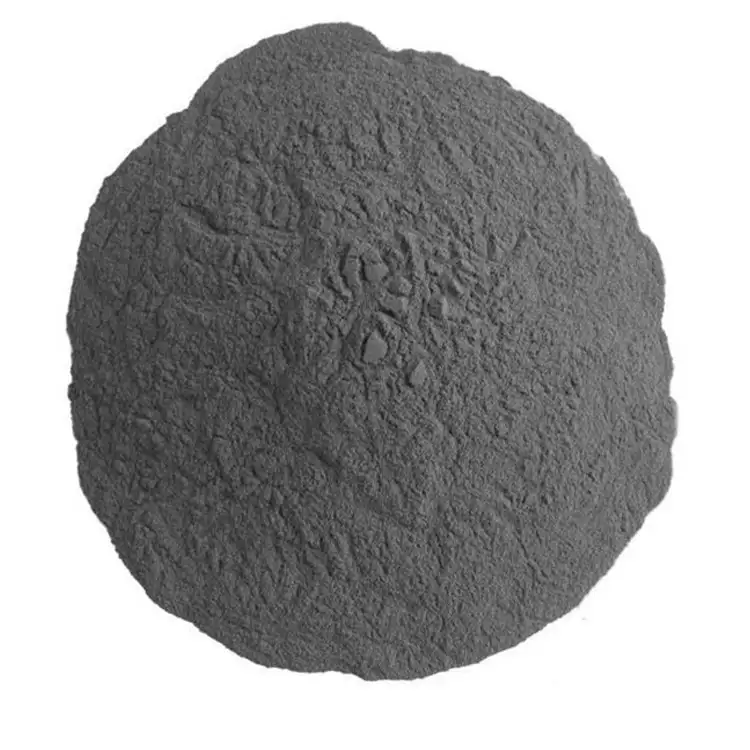
Tungsten carbide is a composite: tungsten carbide grains held together by a metal binder, most often nickel or cobalt. Wearers with a nickel allergy sometimes react to rings made with a nickel binder. If your skin is sensitive, ask the seller to state the binder composition, or look for rings advertised as nickel-free or lined with a hypoallergenic inner sleeve. Reputable suppliers publish this information rather than leaving it to guesswork. Better Metal, for example, treats binder composition as a specification rather than a marketing footnote.
Comparing directly is the fastest way to see whether tungsten fits your life:
The pattern is consistent across all five: the harder the metal, the better it looks over time and the less adjustable it becomes.
Water itself is not the issue. Tungsten carbide does not corrode. Prolonged chlorine exposure and abrasive pool chemicals can dull plated finishes and inlays over time, so rinsing and drying the ring afterward is a reasonable habit.
A polished tungsten carbide surface holds its shine far longer than gold or platinum. If the ring has a coating, plating, or inlay, that decorative layer rather than the carbide is what ages.
Many wearers find them fine, but reactions are usually linked to the binder metal rather than the tungsten carbide itself. Check the specific composition before buying.
For most people, a tungsten ring is an excellent everyday choice. It resists scratching better than almost any alternative, holds its finish for years, and costs less than precious metals of comparable visual quality. Two conditions are worth repeating: accept that the ring is permanent in size, and confirm it suits your safety environment. Get both right, and a tungsten carbide band will look the same on your tenth anniversary as it did on day one. Get them wrong, and you will be shopping for a replacement rather than enjoying the one you have.
Share this page

If you have any product needs or questions, please leave us a message for consultation.
TEL: 86-18623759992
jason@bettmetal.com

Innovating Materials
for a Brighter Future