Tungsten has long been valued as a critical industrial metal, prized for its exceptional hardness, ultra-high melting point, and remarkable wear resistance. With industries pushing for high-performance materials, tungsten’s role has expanded in sectors ranging from aerospace and defense to electronics, automotive, and industrial machinery.
Among the many ways to process tungsten, powder metallurgy (PM) has emerged as the industry standard. It offers precision, cost efficiency, and material utilization that traditional melting and casting cannot match.
This guide dives deep into the tungsten PM process—from raw powder to finished components—helping engineers, procurement specialists, and decision-makers understand exactly how tungsten parts are made and why PM is the preferred route.
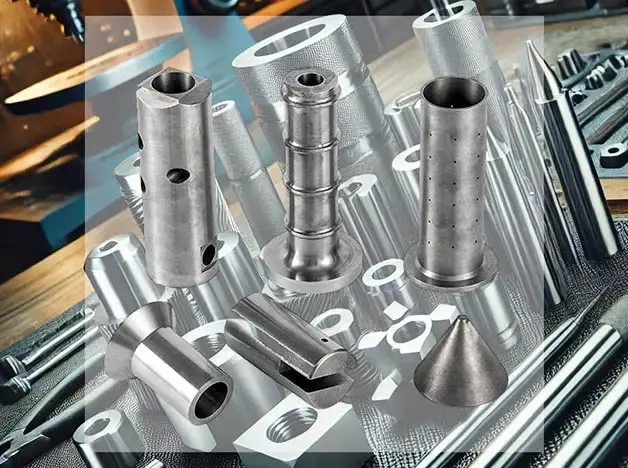
Tungsten’s melting point of 3,422°C makes conventional melting or casting extremely difficult and costly. Powder metallurgy overcomes this by:
Shaping at room temperature and then sintering below melting point
Producing highly precise, dimensionally stable components
Reducing material loss and production cost
This approach allows manufacturers to create complex, high-performance parts that can withstand extreme environments without sacrificing reliability.
Unique Properties That Make Tungsten Ideal for PM
Powder metallurgy works best with metals that are hard to process by melting. Tungsten’s physical and chemical properties make it a perfect candidate:
Ultra-high melting point – performs reliably in high-temperature applications
High density (19.3 g/cm³) – ideal for counterweights, radiation shielding, and balancing systems
Outstanding hardness and wear resistance – ensures long-lasting performance
Low thermal expansion & high thermal conductivity – maintains stability under temperature changes
High-temperature strength & creep resistance – suitable for aerospace, defense, and industrial furnaces
These properties explain why tungsten PM is used in critical applications like missile components, high-speed cutting tools, and radiation protection equipment.
The quality of tungsten powder determines the final component’s performance, durability, and consistency. Production involves three key stages:
Ammonium Paratungstate (APT) Extraction
Tungsten ore is chemically processed to produce APT, the main intermediate for high-purity tungsten powder. The quality of APT directly affects particle uniformity and sinterability.
Hydrogen Reduction
APT is reduced to tungsten powder in a hydrogen reduction furnace. By controlling temperature, reduction rate, and hydrogen flow, manufacturers achieve precise particle size, morphology, and oxygen content.
Classification & Purification
The powder is sieved, purified, and tested for flowability, density, and chemical composition, ensuring it is ready for pressing and sintering.
Pro Tip: Finer, uniform powders improve sintering performance and mechanical strength, which is critical for aerospace and medical applications.
Once the powder is prepared, it is compacted into a “green body.” The method depends on the part size and complexity:
Cold Isostatic Pressing (CIP): Produces uniform density for large or intricate parts
Uniaxial Pressing: Fast and efficient for simple, high-volume shapes
Metal Injection Molding (MIM): Ideal for small, intricate components with complex geometries
Additive Manufacturing (AM): Emerging method for customized designs and lightweight components
Key insight: Higher green density generally results in better mechanical properties after sintering, which is why pressing uniformity is critical.
Sintering consolidates the green body at 1,600°C – 2,900°C, depending on composition and desired properties. During sintering:
Particles bond via diffusion
Pores shrink, increasing density
Mechanical strength, hardness, and thermal stability improve
Common sintering techniques include vacuum sintering, hydrogen sintering, and sometimes liquid-phase sintering with alloying elements for high-density, high-strength parts.
Powder metallurgy enables the production of high-performance tungsten products across multiple industries:
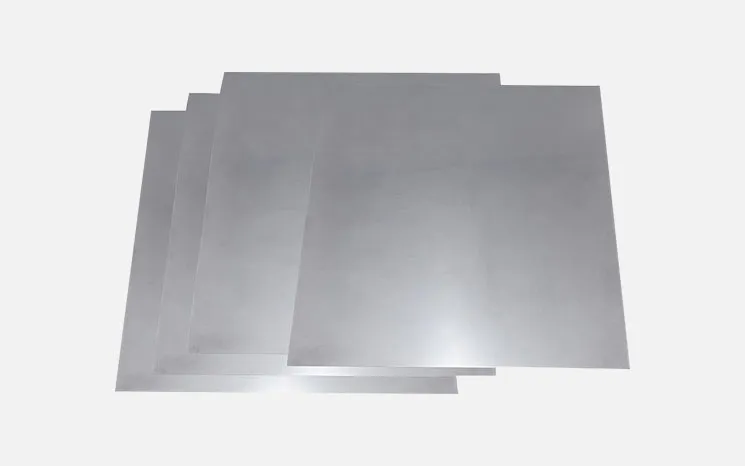
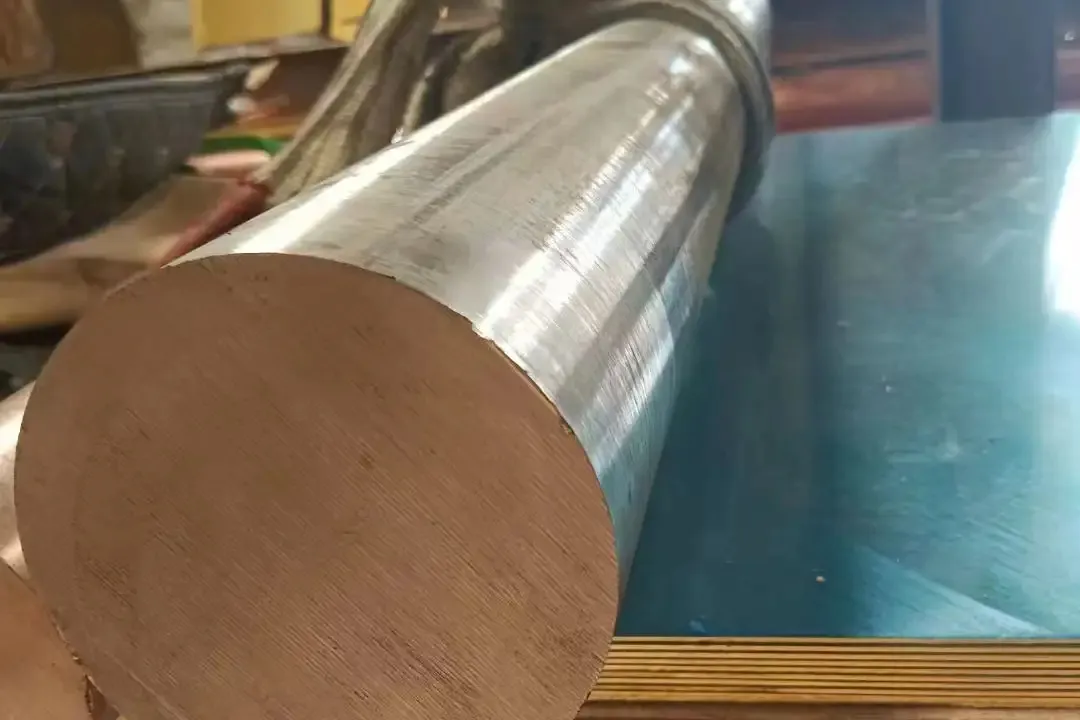
Rods, plates, and sheets for structural and industrial use
Heavy alloy counterweights for aerospace, automotive, and robotics
W–Cu contact materials for electronics, thermal, and electrical systems
Tungsten carbide tools – widely used in machining and drilling
Radiation shielding components for medical equipment and nuclear facilities
Each application requires specific grades, purity levels, and sintering conditions, showcasing PM’s flexibility.
Near-Net Shape Manufacturing – reduces machining and material waste
High Material Utilization – over 95% of the powder is used, promoting sustainability
Precision and Stability – superior dimensional accuracy and repeatability
Complex Geometries Possible – MIM and advanced pressing enable intricate designs
Cost-Effective for High-Melting Metals – avoids expensive melting and casting
PM allows manufacturers to produce parts faster, cheaper, and with higher performance than traditional methods.
Ensuring Quality in Tungsten PM
High-performance industries demand rigorous quality control:
Powder testing (particle size, purity, flowability)
Density and porosity checks for green and sintered parts
Mechanical strength and hardness evaluation
Microstructure analysis (grain size, orientation)
Non-destructive testing for critical applications
For sectors like defense, aerospace, and medical equipment, quality assurance is non-negotiable.
The industry is evolving rapidly:
Finer, more uniform powders for improved microstructure and performance
Integration with additive manufacturing for flexible, on-demand production
Advanced binder systems to enhance shaping precision
Ultra-pure, high-density tungsten alloys for next-gen electronics and aerospace
Recycling tungsten scrap to reduce costs and environmental impact
These innovations ensure tungsten PM remains at the forefront of high-performance and sustainable manufacturing.
Powder metallurgy has redefined tungsten manufacturing, enabling precise, durable, and cost-efficient production. From raw powder preparation to pressing and sintering, each step impacts the component’s performance, reliability, and suitability for extreme conditions.
For engineers and manufacturers seeking high-density, heat-resistant, and wear-resistant materials, tungsten produced via powder metallurgy remains one of the most dependable solutions in modern industry.
Share this page
If you have any product needs or questions, please leave us a message for consultation.
TEL: 86-18623759992
jason@bettmetal.com

Innovating Materials
for a Brighter Future