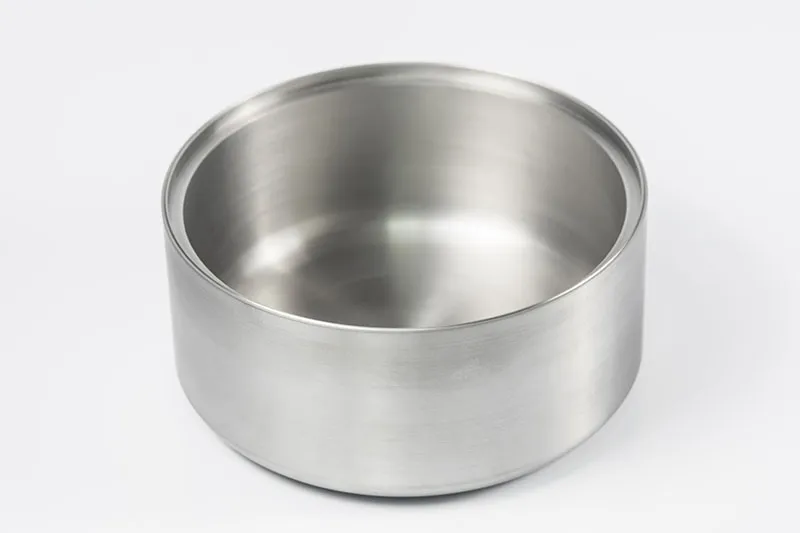
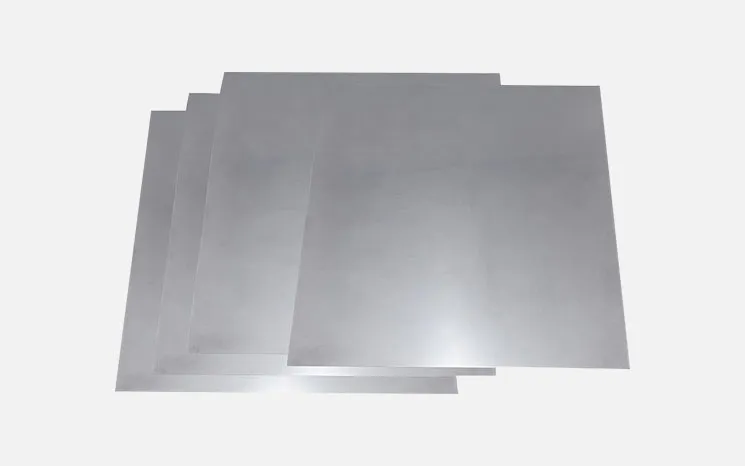
Among all known pure metals, tungsten holds an extraordinary record: it possesses the highest melting point, reaching an impressive 3422°C (6192°F). This extreme thermal resistance places tungsten in a category of materials known as refractory metals, which are specifically valued for their ability to maintain structural integrity in extremely high-temperature environments.
Because of this unique property, tungsten has become a critical material in industries such as aerospace engineering, electronics manufacturing, high-temperature furnaces, energy production, and advanced tooling. From rocket engine components to vacuum furnace heating elements, tungsten enables equipment and systems to operate under conditions where most metals would quickly fail.
But why does tungsten have such an exceptionally high melting point compared with other metals? The answer lies in a combination of atomic bonding strength, electronic configuration, crystal structure stability, and high atomic density. Understanding these factors not only explains tungsten’s remarkable thermal behavior but also highlights why it remains indispensable for modern industrial applications.

The most fundamental reason behind tungsten’s extraordinary melting point is the strength of the bonds between its atoms. In metallic materials, atoms are arranged in a lattice structure and are held together by metallic bonding. The stronger these bonds are, the more energy is required to break them and transition the metal from a solid to a liquid state.
Tungsten atoms are particularly effective at forming strong metallic bonds due to several intrinsic characteristics:
High atomic number (74), which results in a large number of electrons contributing to bonding
High nuclear charge, creating strong attraction between atoms
Tightly packed atomic arrangement that enhances structural cohesion
Because tungsten atoms are bonded together so strongly, a tremendous amount of thermal energy is required to disrupt the lattice structure. As a result, tungsten remains solid at temperatures where many other metals would already be molten.
This atomic strength is one of the key reasons tungsten is widely used in high-temperature structural components and industrial heating systems.
Another important factor behind tungsten’s thermal stability is its electron configuration. Tungsten has the electronic structure:
[Xe] 4f¹⁴ 5d⁴ 6s²
The presence of partially filled 5d orbitals allows tungsten atoms to share electrons efficiently with neighboring atoms, forming very strong metallic bonds. These delocalized electrons create what scientists call an electron “sea”, which holds the metal lattice together.
This electronic arrangement results in several beneficial material properties:
High cohesive energy, meaning atoms resist separation
Strong resistance to thermal vibration
Greater structural stability at elevated temperatures
As temperature rises, atoms normally begin vibrating more intensely. In many metals, this eventually weakens the lattice structure and causes melting. However, tungsten’s strong electron-mediated bonding allows it to maintain its structure even when exposed to extreme heat.
Tungsten is also one of the densest naturally occurring metals, with a density of approximately 19.3 g/cm³, nearly identical to that of gold. This high density reflects a tightly packed atomic arrangement within the material.
Dense atomic packing contributes to tungsten’s high melting point in several ways:
Stronger interatomic forces
Reduced atomic mobility at high temperatures
Greater resistance to structural deformation
Because the atoms are packed so closely together, thermal energy must overcome stronger cohesive forces to separate them. This further increases the temperature required for melting.
The same characteristic also contributes to tungsten’s high hardness, wear resistance, and mechanical stability, making it highly suitable for demanding industrial environments.
The crystal structure of tungsten also plays a crucial role in its thermal performance. Tungsten crystallizes in a body-centered cubic (BCC) lattice structure, which is commonly associated with metals that exhibit high melting temperatures and strong mechanical properties.
In a BCC structure:
Atoms occupy the corners of a cube
One atom sits at the center of the cube
Strong bonds connect the entire lattice
This structure remains stable over a very wide temperature range. Even as temperature increases significantly, the lattice does not easily collapse or transform into a weaker structure.
Compared with other refractory metals such as molybdenum or tantalum, tungsten’s BCC lattice demonstrates exceptional resistance to heat-induced instability. This allows tungsten components to maintain both dimensional accuracy and mechanical strength even in extremely demanding environments.

To better understand tungsten’s superiority, it is useful to compare its melting point with other commonly used metals:
| Metal Melting Point | |
|
Aluminum |
660°C |
|
Copper |
1085°C |
|
Iron |
1538°C |
|
Nickel |
1455 |
|
Molybdenum |
2623°C |
|
Tantalum |
3017°C |
|
Tungsten |
3422°C |
This extreme thermal capability makes tungsten the preferred material for ultra-high-temperature applications.
Because of its unmatched heat resistance, tungsten is used in a wide variety of industrial systems where materials must withstand intense thermal stress.
High-Temperature Furnaces
Tungsten components such as heating elements, crucibles, and thermal shields are widely used in vacuum and inert-gas furnaces capable of operating above 2000°C.
Aerospace and Defense
In aerospace engineering, tungsten is used in:
Rocket engine nozzles
Heat shields
Missile components
High-temperature structural parts
Its ability to maintain strength at extreme temperatures makes it ideal for space and propulsion technologies.
Electronics and Electrical Applications
Tungsten has long been used in electrical systems due to its high melting point and conductivity. Common applications include:
Light bulb filaments
Electron emitters
Electrical contacts
Semiconductor manufacturing equipment
Metalworking and Mining Tools
Tungsten-based alloys and tungsten carbide are essential materials in:
Cutting tools
Drilling equipment
Mining machinery
Wear-resistant industrial components
These tools benefit from tungsten’s exceptional hardness and thermal stability, allowing them to operate under high friction and temperature conditions.
Despite its impressive properties, tungsten is notoriously difficult to process due to its extremely high melting point. Unlike many metals, tungsten is rarely cast in molten form.
Instead, it is commonly produced through powder metallurgy, a manufacturing technique that involves:
Reducing tungsten ore into tungsten powder
Compacting the powder into desired shapes
Sintering the material at very high temperatures to bond the particles together
This process allows manufacturers to produce precision tungsten components such as rods, plates, wires, and specialized furnace parts.
Powder metallurgy also helps maintain tungsten’s excellent mechanical and thermal properties during fabrication.

As modern industries continue to push technological limits, materials capable of performing under extreme conditions are becoming increasingly important. Tungsten’s ability to withstand extreme heat, mechanical stress, and corrosive environments makes it one of the most valuable engineering materials available today.
In fields such as:
semiconductor manufacturing
aerospace engineering
energy generation
advanced metallurgy
tungsten plays a vital role in ensuring reliability, efficiency, and long-term equipment performance.
Frequently Asked Questions (FAQ)
Why does tungsten have such a high melting point?
Tungsten’s high melting point is mainly due to its strong atomic bonding, dense atomic structure, and stable body-centered cubic crystal lattice, which require enormous energy to break.
Is tungsten the metal with the highest melting temperature?
Yes. Among all pure metals, tungsten has the highest melting point at 3422°C.
Is tungsten stronger than steel?
Tungsten is significantly harder and more heat-resistant than most steels, especially at high temperatures. However, steel may be more flexible and easier to process.
Why is tungsten difficult to manufacture?
Because of its extremely high melting temperature, tungsten is usually produced using powder metallurgy rather than traditional casting methods.
Tungsten’s record-breaking melting point is not simply a coincidence but the result of several interconnected material properties. Its strong metallic bonding, dense atomic packing, stable BCC crystal structure, and unique electron configuration all contribute to exceptional thermal stability.
These characteristics allow tungsten to maintain its structure and strength even in environments where most metals would rapidly soften or melt. As a result, tungsten continues to play a crucial role in industries that demand extreme heat resistance, from aerospace engineering and electronics manufacturing to high-temperature industrial furnaces.
As tchnology advances and industrial processes require ever higher temperatures and greater reliability, tungsten will remain one of the most essential materials supporting the future of modern manufacturing.
Share this page
If you have any product needs or questions, please leave us a message for consultation.
TEL: 86-18623759992
jason@bettmetal.com

Innovating Materials
for a Brighter Future