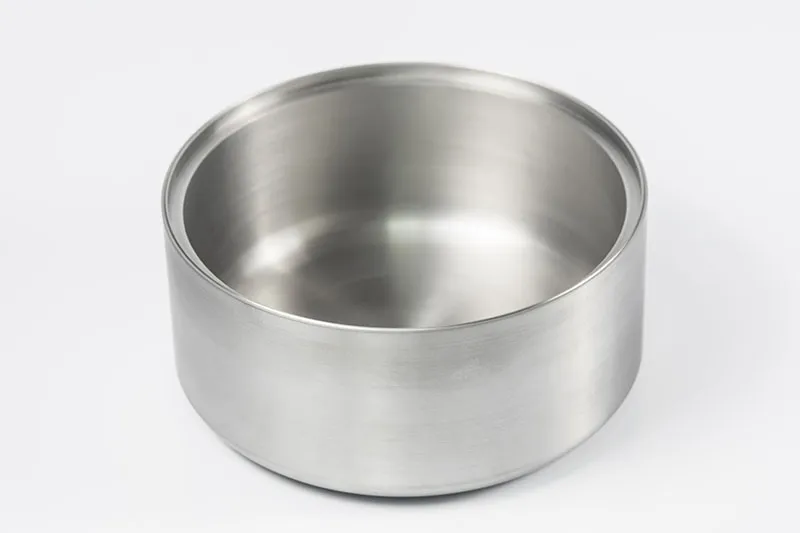
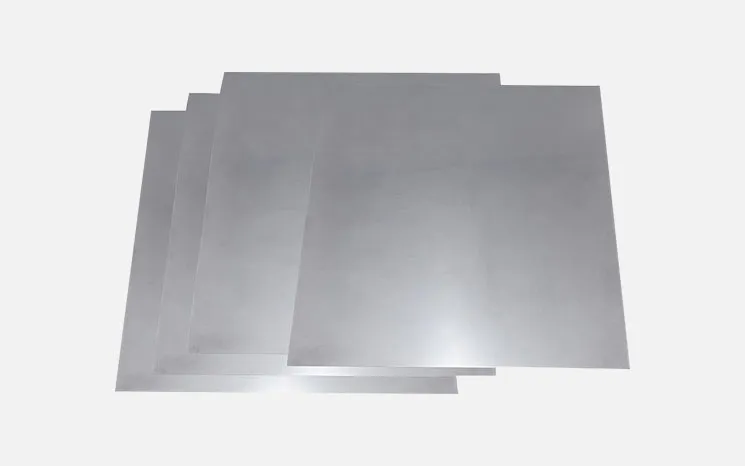
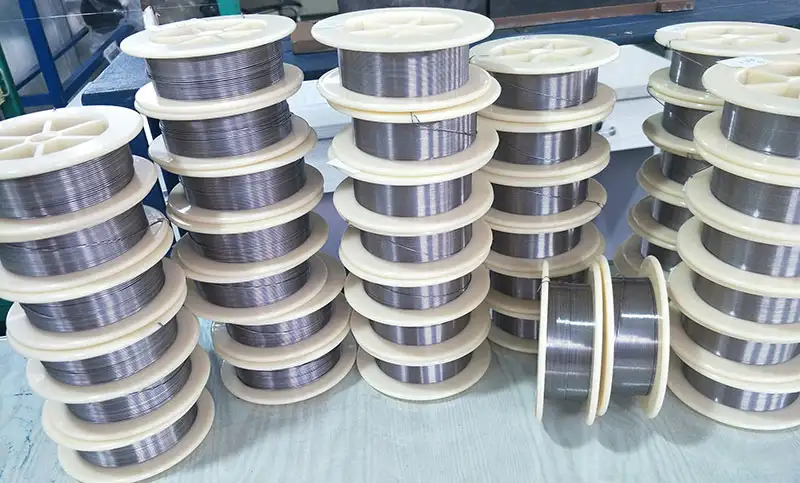
Tantalum is a critical transition metal widely used in electronics, aerospace, and high-temperature industrial applications due to its unique combination of mechanical and chemical properties. Among these properties, density and melting point play pivotal roles in determining its suitability for various advanced engineering applications. When comparing tantalum to other refractory metals such as tungsten and rhenium, understanding these physical characteristics becomes essential for material selection and performance optimization.
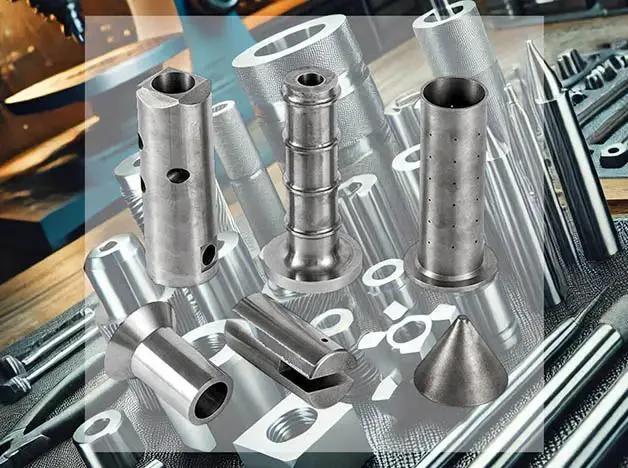
Tantalum possesses a density of approximately 16.69 g/cm³, which positions it among the heaviest transition metals. Its high density contributes to exceptional strength and stability under stress, making it a preferred material in components requiring high load-bearing capabilities. In addition to its density, tantalum exhibits a remarkable melting point of 3017°C, which ensures that it maintains structural integrity under extreme temperatures. This high melting point, combined with excellent corrosion resistance, explains why tantalum is frequently employed in aerospace components, chemical processing equipment, and high-performance electronics.
The combination of density and melting point directly influences how tantalum performs under thermal stress. For example, in vacuum electronics and sputtering targets, the metal’s ability to withstand high temperatures without deforming is crucial. Its density also aids in maintaining dimensional stability, which is essential in precision instruments and medical implants.
Tungsten is another metal renowned for its high density and melting point, often used in applications where extreme heat resistance is required. Tungsten has a slightly higher density of 19.25 g/cm³, making it denser than tantalum. This property provides tungsten with superior weight-related stability and makes it ideal for applications such as counterweights, radiation shielding, and projectiles.
In terms of melting point, tungsten excels with a melting point of 3422°C, which surpasses tantalum by approximately 400°C. This higher melting point enables tungsten to operate in more extreme thermal environments, such as in incandescent lamp filaments, rocket nozzles, and high-temperature furnaces. However, tungsten’s relative brittleness at room temperature can pose challenges in machining and shaping compared to the more ductile tantalum. Tantalum’s combination of high melting point and ductility offers a balance between thermal performance and manufacturability that tungsten alone may not provide in certain applications.
Rhenium is a rare refractory metal notable for its extraordinary melting point and mechanical stability. It has a density of 21.02 g/cm³, which is significantly higher than tantalum and tungsten. This extreme density allows rhenium to serve in applications demanding maximum weight stability, such as jet engine components, high-temperature thermocouples, and high-performance alloys.
When it comes to melting point, rhenium stands out with an impressive melting point of 3186°C, higher than tantalum but lower than tungsten. Its combination of high melting point and density makes rhenium ideal for alloying with other metals to enhance their high-temperature performance. For example, rhenium-tungsten alloys are commonly used in aerospace applications where both heat resistance and mechanical strength are critical. Nevertheless, the rarity and high cost of rhenium often limit its widespread use, whereas tantalum provides a more economically feasible alternative while still offering excellent thermal stability.
Understanding the density and melting point of tantalum in comparison with tungsten and rhenium is crucial for engineers and product designers. Each metal offers unique advantages that can influence performance, cost, and manufacturability:
Tantalum: Best suited for applications requiring corrosion resistance, ductility, and high-temperature endurance up to around 3000°C. It is particularly valuable in chemical processing equipment, surgical implants, and electronics such as capacitors.
Tungsten: Preferred when maximum heat resistance and density are required. Ideal for high-temperature filaments, aerospace nozzles, and radiation shielding.
However, its brittleness necessitates careful handling and specialized machining techniques.
Rhenium: Offers the highest density and exceptional thermal stability among the three metals, making it indispensable in niche aerospace and superalloy applications. Its high cost limits its use to critical, performance-intensive environments.
By comparing these metals, decision-makers can select the material that optimally balances performance, manufacturability, and cost. Tantalum stands out for its combination of corrosion resistance, reasonable ductility, and excellent melting point, providing a versatile choice in industries that demand reliability under extreme conditions.
In high-performance engineering, the selection of metals such as tantalum, tungsten, and rhenium requires a careful evaluation of density and melting point along with other mechanical and chemical properties. Tantalum, with its 16.69 g/cm³ density and 3017°C melting point, offers a balanced alternative that provides durability, machinability, and thermal stability. While tungsten delivers higher heat resistance and rhenium offers unmatched density, tantalum remains a cost-effective, reliable, and versatile solution for industries ranging from electronics and aerospace to chemical processing.
Engineers, researchers, and manufacturers must carefully analyze these properties to ensure that their material choices meet both performance requirements and economic considerations. Understanding the nuanced differences among tantalum, tungsten, and rhenium empowers professionals to design components that excel in demanding environments while optimizing production efficiency and long-term reliability.
By focusing on these parameters, companies can ensure that their products not only perform well under extreme conditions but also align with industry standards for durability, safety, and cost-effectiveness.
Share this page
If you have any product needs or questions, please leave us a message for consultation.
TEL: 86-18623759992
jason@bettmetal.com

Innovating Materials
for a Brighter Future