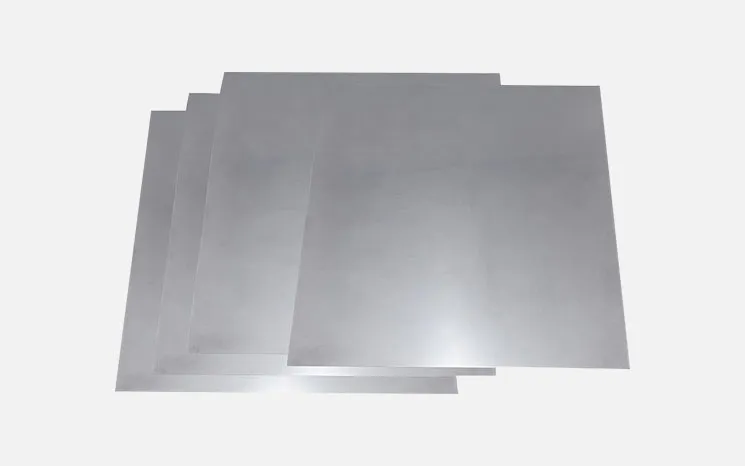
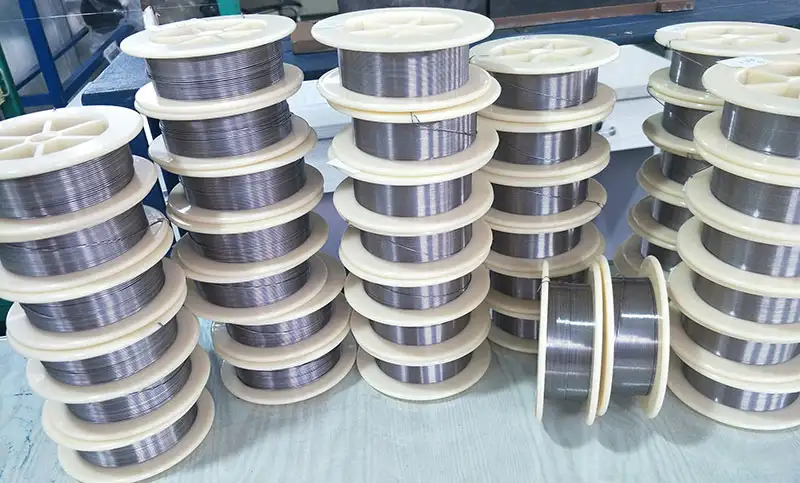
In high-temperature industrial processes such as semiconductor manufacturing, glass production, and vacuum furnace operations, molybdenum components are prized for their high melting point and thermal conductivity. Yet two persistent challenges—oxidation above 600°C and warping under cyclic thermal loads—can drastically shorten service life and compromise precision. Standard off-the-shelf molybdenum parts often fail to address these issues adequately. This article examines how tailored molybdenum components, engineered with specific alloy compositions, surface treatments, and geometries, provide a reliable solution. We explore the underlying mechanisms of oxidation and warping, and demonstrate why a customized approach from a specialized manufacturer like Bettmetal delivers superior performance and cost efficiency.
Understanding why molybdenum degrades in extreme environments is the first step toward selecting the right tailored solution. Two primary failure modes dominate: high-temperature oxidation and thermal-stress-induced warping.
Molybdenum begins to oxidize rapidly in air above 600°C, forming molybdenum trioxide (MoO3) that sublimes at around 700°C. This continuous material loss leads to dimensional changes, surface roughening, and eventual mechanical failure. In applications like glass melting electrodes or furnace heating elements, even minor oxidation can contaminate the product or alter thermal distribution. Standard molybdenum lacks a protective oxide layer; conventional coatings often crack under thermal cycling. Therefore, tailored solutions must address oxidation through alloying (e.g., with lanthanum oxide, silicon, or boron) or advanced coatings that remain stable at operating temperatures.
Warping occurs when uneven thermal expansion or recrystallization under repeated heating/cooling cycles creates internal stresses. Molybdenum’s relatively high coefficient of thermal expansion (≈4.8 × 10⁻⁶/K) and its body-centered cubic structure make it prone to grain growth and creep at elevated temperatures. In precision components such as wafer-carrying trays or crucibles, even a few microns of warping can cause product defects or equipment jams. Tailored components mitigate warping by controlling grain orientation through thermomechanical processing, selecting fine-grained grades, or designing stress-relieving geometries.
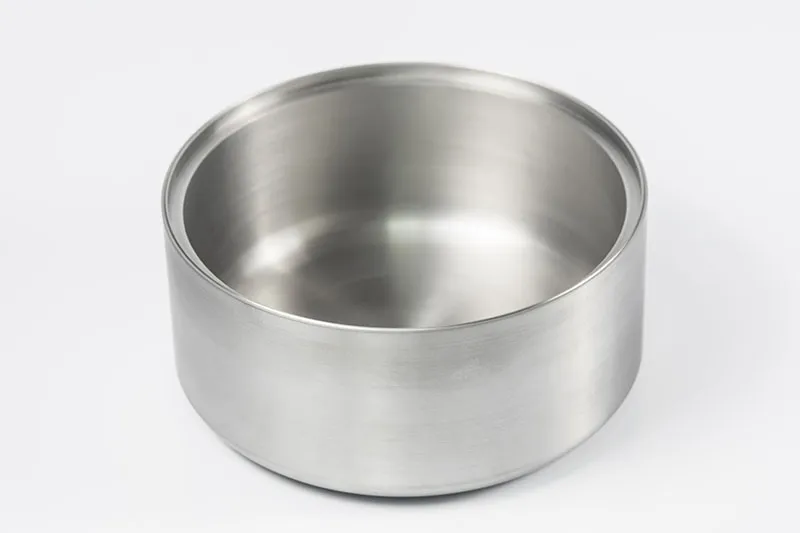
Generic molybdenum parts treat every application the same. Tailored components, by contrast, are engineered from the ground up to match the exact thermal, mechanical, and chemical environment. Bettmetal specializes in this approach, offering multiple levers to combat oxidation and warping.
Bettmetal has cultivated deep expertise in producing molybdenum components that withstand the most demanding conditions. Their tailored solutions begin with a thorough analysis of the customer’s operating parameters: temperature profile, atmosphere composition, load cycles, and dimensional tolerances required.
Rather than offering a one-size-fits-all grade, Bettmetal works with a portfolio of molybdenum alloys including TZM (titanium-zirconium-molybdenum), MHC (molybdenum-hafnium-carbon), and oxide-dispersion-strengthened grades. For oxidation-prone environments, they recommend alloys with enhanced high-temperature stability. For warping-sensitive applications, they prioritize fine-grained materials with higher recrystallization temperatures.
Bettmetal employs isostatic pressing, precision machining, and vacuum sintering to achieve tight tolerances and consistent material properties. Their quality control includes ultrasonic testing, microstructural analysis, and thermal shock simulation to ensure every component meets the specified performance criteria. This level of rigor is what differentiates tailored components from standard stock parts.
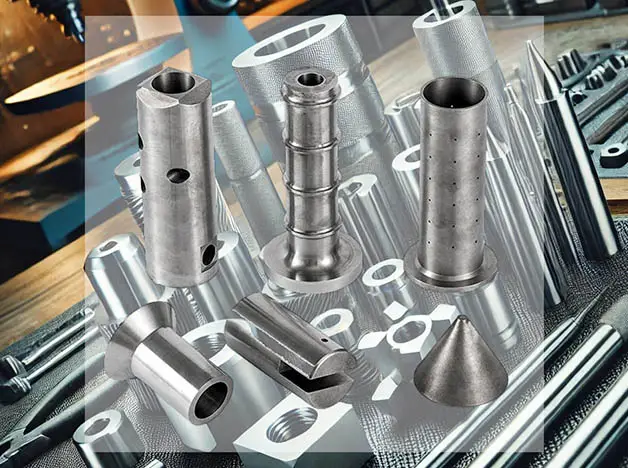
To illustrate the practical advantages, the following table compares off-the-shelf molybdenum parts with Bettmetal’s tailored solutions in typical high-temperature applications.
| Parameter | Standard Molybdenum | Bettmetal Tailored |
|---|---|---|
| Oxidation resistance at 1000°C in air | Rapid mass loss (>0.1 mm/hr) | < 0.01 mm/hr with coatings/alloys |
| Dimensional stability after 100 thermal cycles | Warping > 0.5 mm typical | Warping < 0.05 mm |
| Service life in glass melting electrodes | 200–400 hours | 1,200+ hours |
| Custom geometry feasibility | Limited to standard shapes | Complex geometries with ±0.02 mm tolerances |
These improvements directly translate into reduced downtime, lower replacement costs, and higher product quality for end users. In semiconductor wafer handling, for instance, Bettmetal’s tailored molybdenum susceptors eliminate thermal distortion that causes wafer cracking. In aerospace heat shields, their oxidation-resistant alloys extend component life beyond traditional molybdenum.
For engineers and procurement professionals evaluating whether to invest in tailored molybdenum components, the key consideration is total cost of ownership. While the initial price may be higher than stock parts, the extended lifespan and reliability gains often yield a positive return within months. Bettmetal provides detailed performance data and application-specific recommendations to help customers make an informed decision.
Oxidation and warping are not inevitable limitations of molybdenum—they are solvable engineering problems. By tailoring the alloy composition, surface treatment, microstructure, and geometry, companies like Bettmetal enable molybdenum components to operate reliably in the harshest thermal environments. For any organization facing premature failure of standard molybdenum parts, engaging with a specialized partner to develop a tailored solution is a strategic move that enhances process stability and reduces long-term costs. Contact Bettmetal directly to discuss your specific operating conditions and receive a custom component proposal.
Share this page
If you have any product needs or questions, please leave us a message for consultation.
TEL: 86-18623759992
jason@bettmetal.com

Innovating Materials
for a Brighter Future