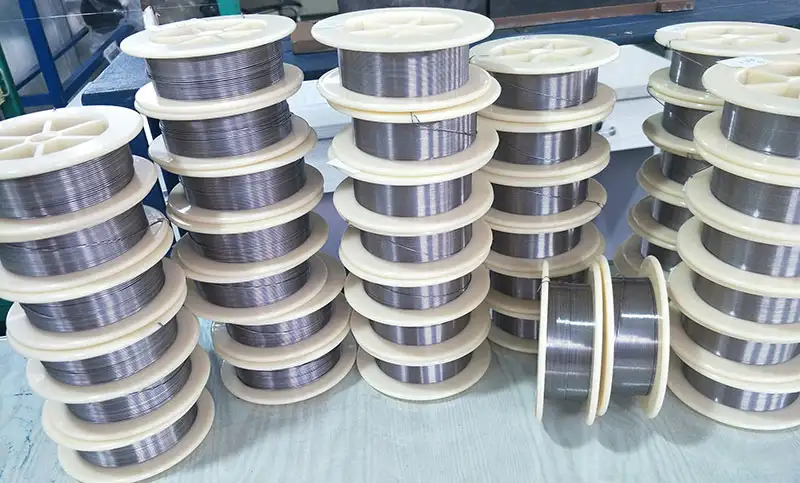
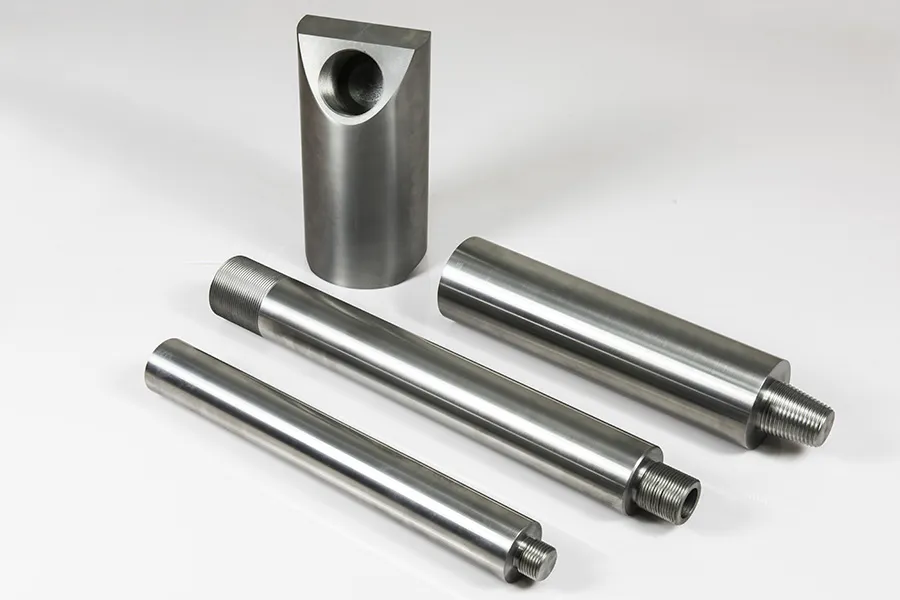
Molybdenum, a refractory metal with an exceptionally high melting point of 2,623°C, has become indispensable in the aerospace and defense sectors. Its unique combination of strength at extreme temperatures, corrosion resistance, and low coefficient of thermal expansion makes it a material of choice for critical components that must perform under the harshest conditions. From jet engine turbine blades to missile guidance systems, molybdenum and its alloys enable technologies that push the boundaries of performance and reliability. This article examines the specific applications and advantages of molybdenum in these industries, and highlights how Better Metal, a leading supplier of specialty metals, supports manufacturers with high-purity molybdenum products tailored to demanding specifications.
Understanding why molybdenum is preferred in aerospace and defense requires a look at its fundamental properties. Unlike common metals that lose strength rapidly above 500°C, molybdenum retains significant mechanical integrity at temperatures exceeding 1,000°C. This property alone drives its use in hot sections of gas turbines and rocket engines. Additionally, molybdenum exhibits excellent thermal conductivity and a low coefficient of thermal expansion, which minimizes dimensional changes during rapid heating and cooling cycles – critical for precision components in guidance and navigation systems. Its resistance to molten metal erosion also makes it valuable in casting and welding applications within defense manufacturing.
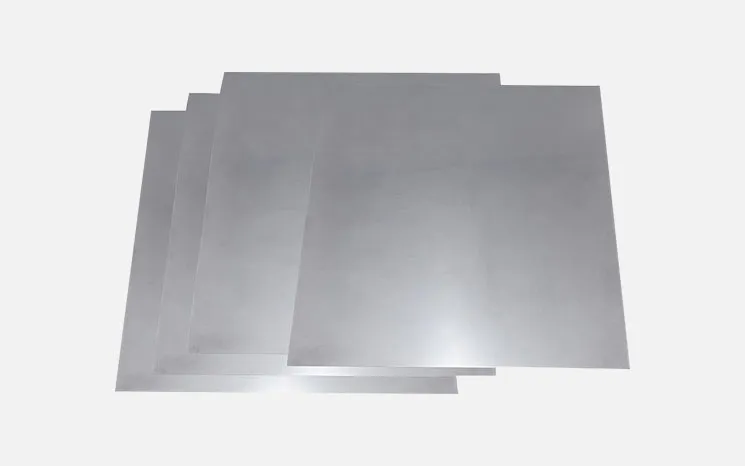
In modern turbofan engines, molybdenum is alloyed with titanium and zirconium to form TZM (titanium-zirconium-molybdenum), a material that withstands the extreme heat and stress of turbine blades and vanes. TZM exhibits tensile strength up to 800 MPa at 800°C, a performance level that nickel-based superalloys cannot match at the same weight. Better Metal supplies TZM plates and rods to engine manufacturers, ensuring consistent grain structure and freedom from internal defects.
Liquid-fueled rocket engines require nozzle materials that endure temperatures above 2,000°C during combustion. Molybdenum liners, often coated with oxidation-resistant layers, provide the erosion resistance needed for reusable launch vehicles. In addition, molybdenum disilicide (MoSi₂) is applied as a coating on ceramic matrix composites to protect against thermal shock.
Precision-guided munitions rely on gyroscopes and sensors that maintain accuracy under high-g maneuvers. Molybdenum’s low thermal expansion ensures that optical housing and structural frames remain stable despite aerodynamic heating. Armor-piercing projectiles often use molybdenum cores due to their high density (10.28 g/cm³) and hardness, which improve penetration against hardened targets.
Molybdenum heat sinks and thermal pads are used in high-power radar systems and electronic countermeasure equipment. The metal’s ability to rapidly conduct heat away from sensitive semiconductors enhances reliability in field-deployed units. Better Metal offers custom-machined molybdenum carriers for GaN amplifiers used in phased-array radars.
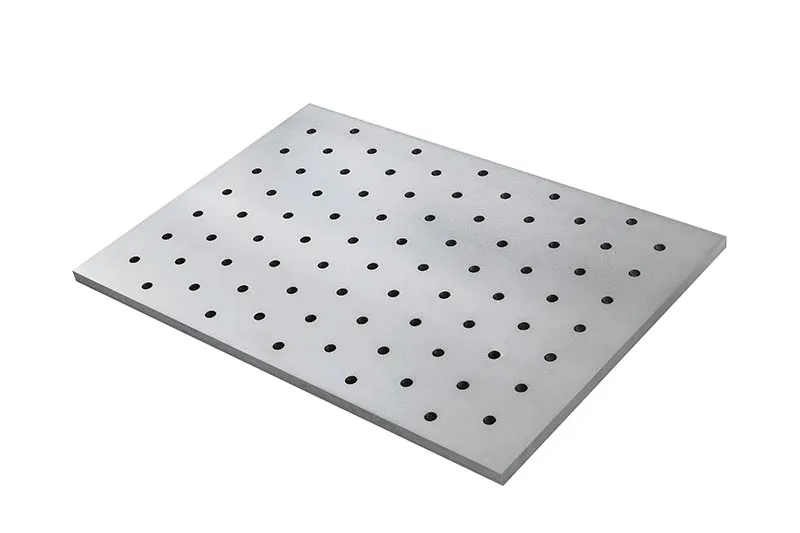
When sourcing molybdenum for aerospace and defense, manufacturers require not only material purity but also traceability, consistency, and availability. Better Metal differentiates itself through:
Molybdenum can be welded using controlled inert gas processes, but post-weld annealing is often required to restore ductility. Better Metal provides pre-welded and stress-relieved blanks for assembly.
Uncoated molybdenum begins to oxidize rapidly above 600°C. For applications above this threshold, protective coatings such as molybdenum disilicide or aluminum oxide are applied by Better Metal’s partners.
Typical lead times range from 4 to 8 weeks for standard shapes, with expedited options available for defense programs under ITAR or other controlled environments.
In conclusion, molybdenum’s unique properties make it irreplaceable in aerospace propulsion, missile technology, and electronic defense systems. As these industries continue to demand higher performance materials, the role of molybdenum will only expand. Better Metal remains committed to providing the highest quality molybdenum solutions, backed by decades of expertise and a deep understanding of mission-critical applications. Whether you are developing next-generation engines or upgrading existing defense platforms, partnering with a reliable supplier is the first step toward success.
Share this page
If you have any product needs or questions, please leave us a message for consultation.
TEL: 86-18623759992
jason@bettmetal.com

Innovating Materials
for a Brighter Future