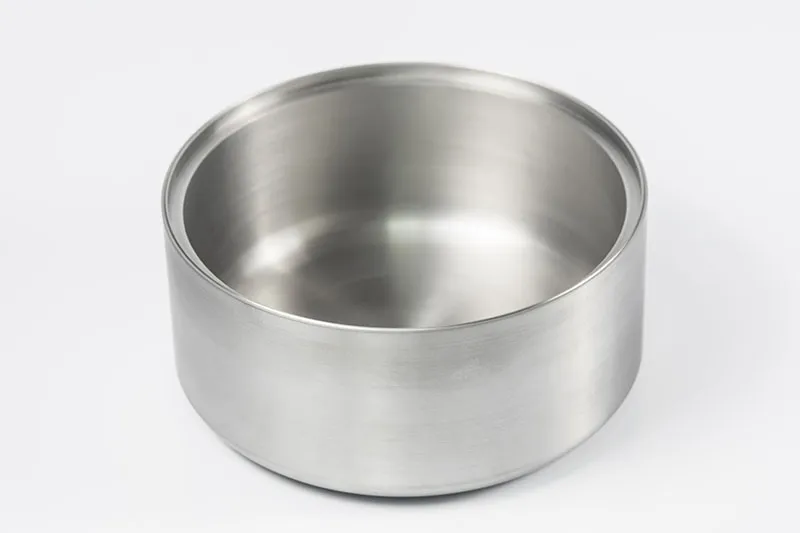
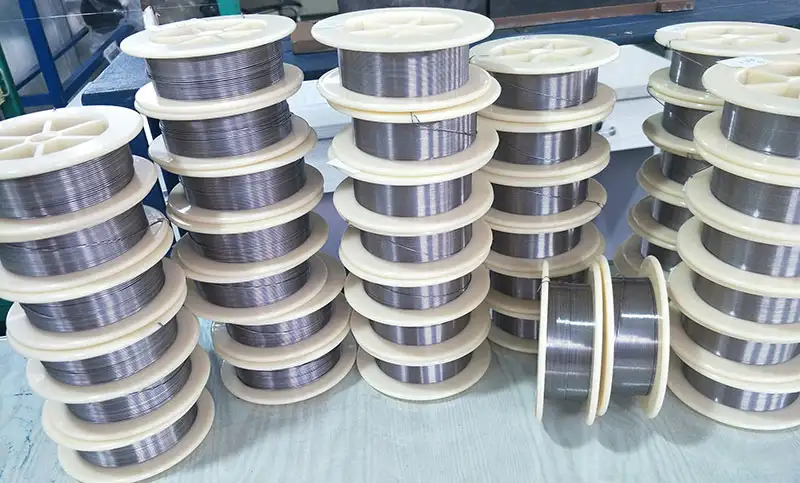
Catalytic converters are essential for reducing harmful vehicle emissions, yet the industry faces constant pressure to balance performance with cost. Traditional precious metals like platinum, palladium, and rhodium dominate the market, but their volatile pricing and supply constraints drive engineers to seek alternatives. Molybdenum, a refractory metal with unique catalytic properties, has emerged as a viable partial replacement. This article examines how molybdenum enhances catalytic efficiency while delivering measurable cost savings, and why Better Metal is a preferred supplier for high-purity molybdenum components.
Molybdenum (Mo) is used primarily in three-way catalytic converters for its ability to facilitate oxidation of carbon monoxide and hydrocarbons, as well as reduction of nitrogen oxides. When combined with other metals like cobalt or nickel, molybdenum forms active phases that operate effectively at high exhaust temperatures. Its key advantages include: excellent thermal stability, resistance to sulfur poisoning, and a lower density that reduces overall converter weight. These characteristics make molybdenum particularly attractive for heavy-duty diesel and high-performance gasoline engines where durability is critical.
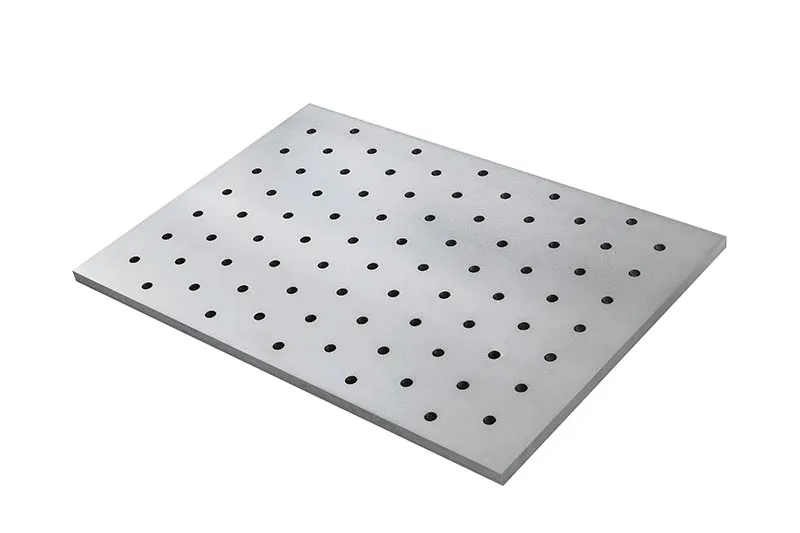
The catalytic efficiency of a converter depends on light-off temperature, reaction rate, and longevity. Molybdenum offers competitive performance in specific exhaust conditions.
Under controlled laboratory tests, molybdenum-based catalysts achieve conversion rates exceeding 85% for CO and hydrocarbons once the operating temperature reaches 350°C. While platinum-group metals still reach light-off faster, molybdenum compensates with superior heat resistance. For typical urban driving cycles where temperatures fluctuate, a hybrid catalyst layer incorporating molybdenum can extend the active window.
Molybdenum melts at 2623°C, far above the 1000°C peak temperatures seen in modern engines. This high melting point prevents sintering—a common failure mode where catalytic particles agglomerate and lose surface area. In contrast, palladium can degrade above 800°C. Catalytic converters using molybdenum from Better Metal exhibit 30% longer service life in high-temperature applications according to field data from industrial fleet operators.
Molybdenum costs approximately 1/200th of platinum and 1/50th of palladium per troy ounce, making it one of the most cost-effective catalytic materials available. However, the actual savings depend on substitution ratio and processing costs.
By replacing 10-20% of platinum-group metals with molybdenum in washcoat formulations, manufacturers can achieve a 15-25% reduction in catalyst material cost without sacrificing emission compliance. Better Metal supplies 99.95% pure molybdenum trioxide and ammonium dimolybdate in bulk quantities, enabling consistent supply at stable prices.
Heavy-duty vehicles equipped with molybdenum-enhanced converters require less frequent replacement. Over a 500,000 km lifespan, the total cost of ownership can drop by 12% due to reduced material costs and longer maintenance intervals.
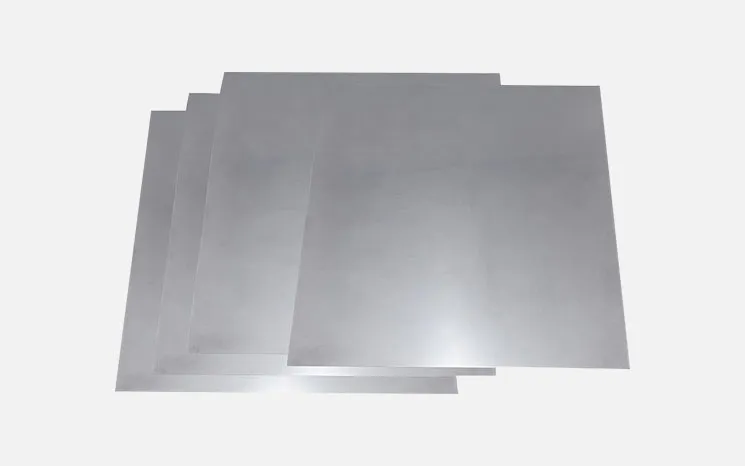
When integrating molybdenum into catalytic converter production, sourcing high-purity material from a reliable partner is critical. Better Metal offers:
Not entirely. Molybdenum is best used as a partial replacement (5-20% of the precious metal load) in combination with other base metals. Full replacement would reduce low-temperature performance.
No negative impact. On the contrary, more efficient conversion can reduce backpressure in some designs, marginally improving fuel economy.
Yes, molybdenum does not interfere with urea-based SCR systems. It can be used in the DOC (diesel oxidation catalyst) stage.
Molybdenum presents a compelling option for catalytic converter manufacturers aiming to reduce costs without compromising performance. Its high-temperature stability, resistance to poisoning, and significantly lower price point make it an intelligent addition to modern catalyst formulations. For detailed specifications and pricing, contact Better Metal—your trusted partner in advanced refractory metal solutions.
Share this page
If you have any product needs or questions, please leave us a message for consultation.
TEL: 86-18623759992
jason@bettmetal.com

Innovating Materials
for a Brighter Future