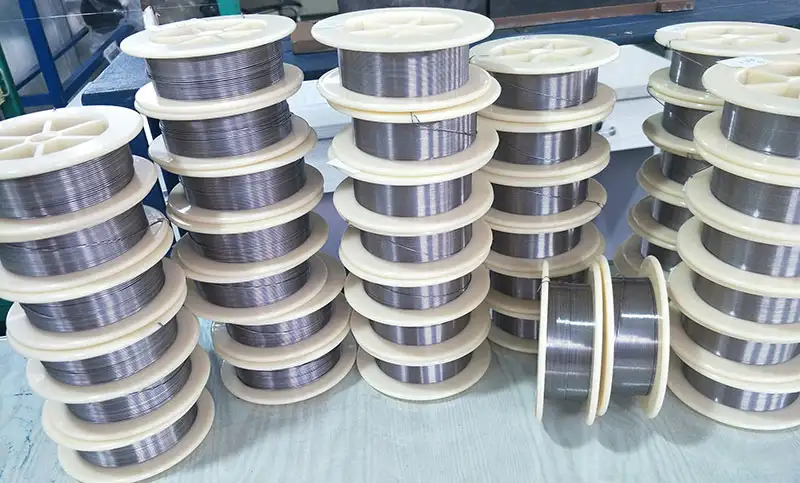
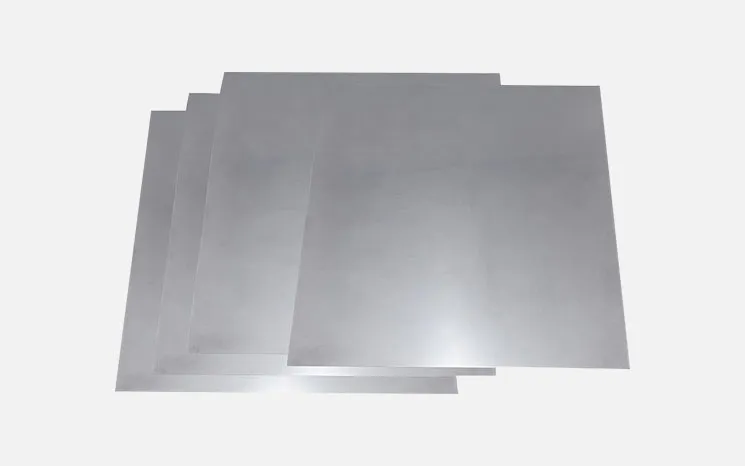
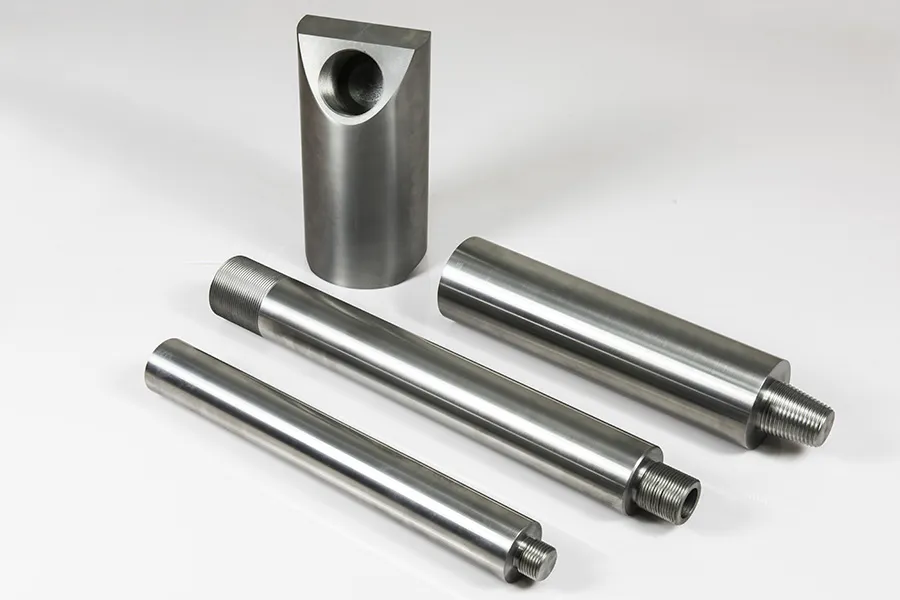
Titanium and its alloys are widely used in aerospace, medical devices, energy equipment, and high-end industrial manufacturing due to their excellent strength-to-weight ratio, corrosion resistance, and high-temperature performance. However, these advantages also make titanium one of the most challenging materials to machine. Many manufacturers encounter issues such as rapid tool wear, poor surface finish, and unstable machining processes when working with titanium components.
This article provides a systematic overview of the most common problems in titanium machining and offers practical, experience-based solutions. The goal is to help manufacturers improve machining efficiency, reduce costs, and ensure consistent product quality.
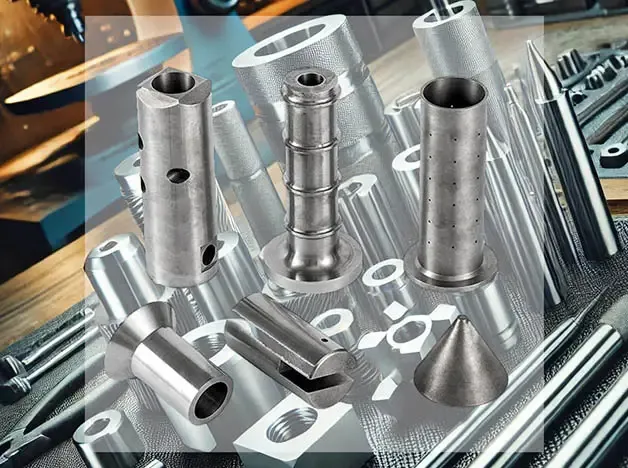
One of the most common challenges in titanium machining is excessive tool wear. Compared with materials like aluminum or mild steel, titanium generates significantly more heat at the cutting zone. Due to its low thermal conductivity, the heat cannot dissipate quickly and instead concentrates on the cutting edge.
At the same time, titanium has a strong chemical affinity with cutting tools, which can lead to adhesion and diffusion wear. This combination often results in premature tool failure.
Solutions:
To address this issue, manufacturers should prioritize the use of high-performance cutting tools. Carbide tools with advanced coatings such as TiAlN or AlCrN can significantly improve heat resistance and wear resistance. In high-speed applications, ceramic or CBN tools may also be considered depending on the specific alloy.
In addition, optimizing cutting parameters plays a critical role. Lower cutting speeds combined with higher feed rates can reduce heat buildup and distribute wear more evenly. Proper coolant application, especially high-pressure coolant systems, helps remove heat and chips from the cutting zone.
Titanium’s high strength and elasticity often lead to vibration and deflection during machining. As a result, manufacturers may struggle with inconsistent surface finishes and difficulty maintaining tight tolerances.
Moreover, titanium tends to “spring back” after cutting, which makes it harder to achieve precise dimensions, especially in thin-walled or complex parts.
Solutions:
Improving machine rigidity is essential. Using stable fixtures and minimizing tool overhang can significantly reduce vibration. Selecting sharp cutting tools with positive rake angles also helps achieve smoother cutting action.
In finishing operations, reducing feed rates and applying fine-tuning passes can improve surface quality. It is also advisable to use climb milling instead of conventional milling, as it reduces tool rubbing and improves chip evacuation.
Titanium produces continuous and tough chips that are difficult to break. These chips can wrap around the tool or workpiece, leading to tool damage, poor surface quality, and even safety hazards.
Solutions:
Effective chip control starts with tool geometry. Tools designed specifically for titanium machining often feature chip breakers that help produce shorter, more manageable chips.
Adjusting cutting parameters can also improve chip formation. Increasing feed rate slightly or modifying depth of cut may help break chips more effectively. In addition, high-pressure coolant systems can assist in flushing chips away from the cutting area, reducing the risk of chip re-cutting.
Unlike many other metals, titanium does not dissipate heat efficiently. This leads to localized high temperatures, which can damage both the cutting tool and the workpiece. In extreme cases, thermal deformation may affect part accuracy and structural integrity.
Solutions:
Cooling strategies are critical in titanium machining. Flood coolant or high-pressure coolant systems should be used whenever possible. In some advanced applications, cryogenic cooling or minimum quantity lubrication (MQL) can further enhance heat control.
Reducing cutting speed is another effective way to manage temperature. Although this may slightly decrease productivity, it significantly improves tool life and process stability in the long run.
Titanium alloys are prone to work hardening, especially when improper cutting parameters are used. This makes subsequent machining passes more difficult and accelerates tool wear.
Additionally, built-up edge (BUE) formation can occur when material adheres to the cutting tool, leading to inconsistent cutting performance and poor surface finish.
Solutions:
Maintaining consistent cutting conditions is key. Avoid dwelling or rubbing the tool against the workpiece, as this promotes work hardening. Using sharp tools and maintaining proper cutting speeds can reduce the likelihood of BUE formation.
Applying suitable cutting fluids also helps minimize adhesion between the tool and the material. Regular tool inspection and timely replacement are necessary to maintain stable machining performance.
Due to the limitations in cutting speed and tool life, titanium machining often results in lower material removal rates compared to other metals. This directly impacts production efficiency and increases manufacturing costs.
Solutions:
To improve productivity, manufacturers can adopt advanced machining strategies such as high-efficiency milling (HEM) or adaptive toolpaths. These techniques allow for consistent tool engagement and better heat distribution.
Investing in high-performance CNC machines with better rigidity and spindle power can also enhance overall efficiency. Although the initial investment may be higher, the long-term benefits in productivity and cost savings are significant.
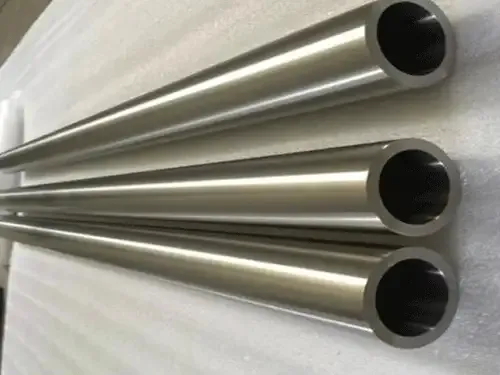
Titanium components in industries such as aerospace often feature deep cavities and complex geometries. Machining these features increases the risk of tool deflection, chatter, and poor chip evacuation.
Solutions:
Using long-reach tools with reinforced designs can help improve stability. However, it is equally important to optimize toolpath strategies to minimize sudden load changes.
Segmented machining approaches, where material is removed in stages, can reduce stress on the tool and improve process control. Additionally, ensuring effective coolant delivery to deep cutting zones is essential.
Titanium machining presents a unique set of challenges that require a careful balance between cutting parameters, tool selection, and process control. Issues such as rapid tool wear, heat concentration, and chip management cannot be solved by a single adjustment. Instead, they demand a comprehensive approach based on practical experience and continuous optimization.
Manufacturers who invest in the right tooling, adopt advanced machining strategies, and maintain strict process control can significantly improve efficiency and product quality. In a competitive global market, mastering titanium machining is not just a technical requirement but also a strategic advantage.
If your business is involved in precision machining or high-performance component manufacturing, understanding these common problems and solutions will help you reduce downtime, lower costs, and deliver more reliable products to your customers.
Share this page
If you have any product needs or questions, please leave us a message for consultation.
TEL: 86-18623759992
jason@bettmetal.com

Innovating Materials
for a Brighter Future