In today’s advanced manufacturing, mining, machining, and high-temperature industries, selecting the right material is critical for efficiency, durability, and overall project cost. Two of the most widely used and highly regarded materials are tungsten and tungsten carbide. While both originate from the same elemental source, their characteristics, performance, and applications differ significantly. For engineers, procurement specialists, and industrial buyers, understanding these differences can mean the difference between smooth production and costly downtime.
This comprehensive guide explores tungsten and tungsten carbide from a practical, engineering-oriented perspective. By examining their composition, mechanical properties, thermal performance, and industrial applications, this article aims to help readers make informed decisions about which material offers the most value for their specific needs.
Pure Tungsten
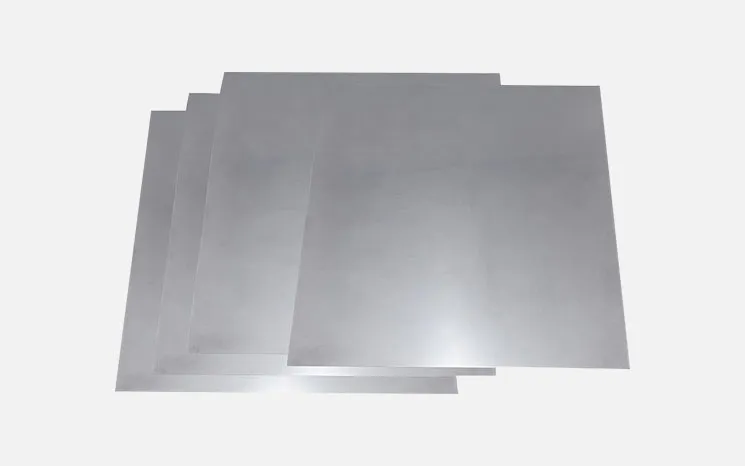
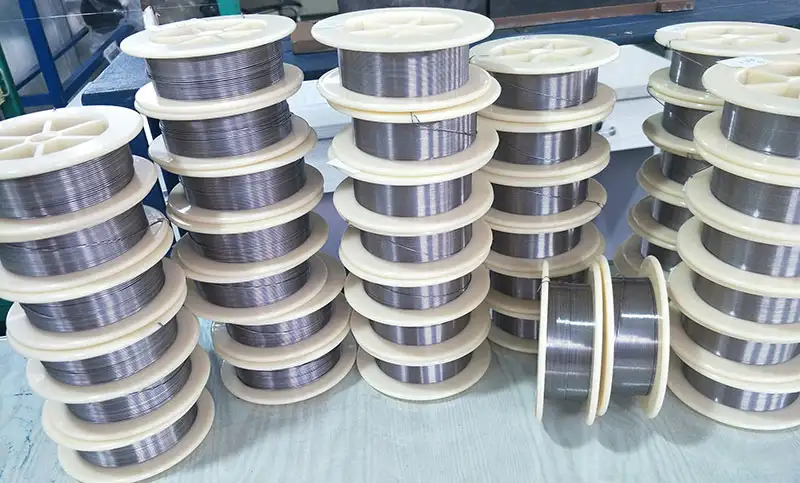
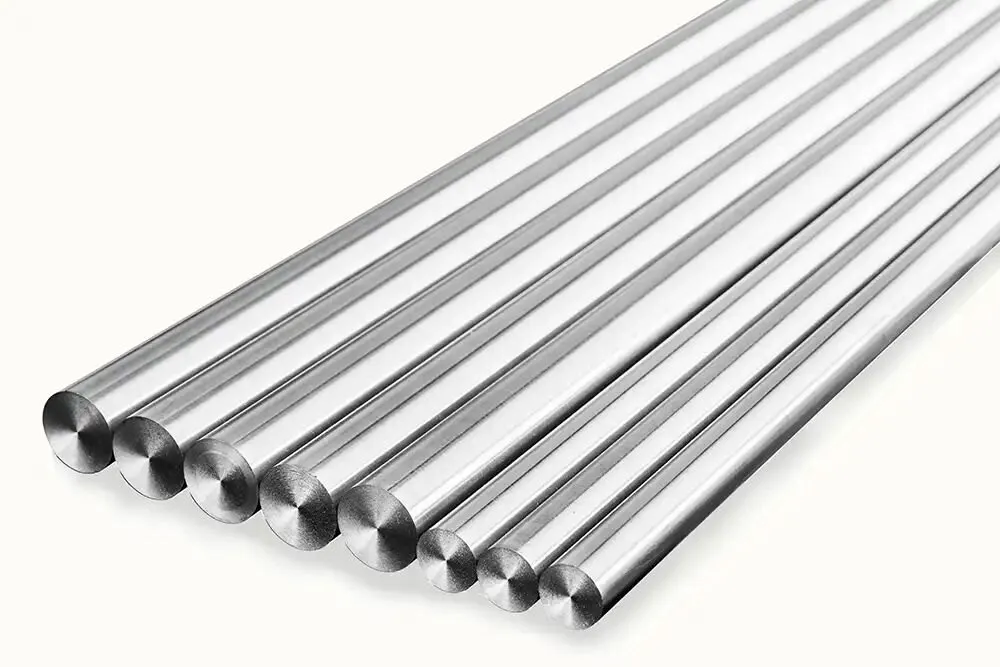
Pure tungsten is a chemical element renowned for its exceptionally high melting point of 3,422°C, outstanding density, and remarkable thermal stability. It is available in various forms, including rods, plates, bars, and fine wires, making it versatile for multiple industrial purposes.
Despite its inherent strength, pure tungsten exhibits brittleness at room temperature, which makes machining challenging. Special care is required when cutting, grinding, or forming it, and it is often processed using specialized equipment such as electrical discharge machining (EDM) or precision grinding tools.
Tungsten Carbide (WC)
Tungsten carbide is not a pure element but a composite material created by combining tungsten powder with carbon powder and sintering the mixture at high temperatures. Most commercial-grade tungsten carbide also incorporates a metal binder, typically cobalt or nickel, to enhance toughness and impact resistance.
The carbon reacts with tungsten to form extremely hard crystals, giving WC its legendary wear resistance and making it ideal for applications involving high friction, cutting, or abrasion. Unlike pure tungsten, the carbide structure provides a combination of hardness and moderate toughness, allowing it to endure mechanical stress better in demanding environments.
One of the most notable differences between these two materials lies in hardness and surface durability:
Tungsten carbide can achieve hardness levels up to 92 HRA or 1600–2000 HV, placing it among the hardest industrial materials available. This high hardness makes it highly resistant to scratching, abrasion, and wear, which is essential for cutting tools, mining equipment, and industrial dies.
Pure tungsten, although strong, is considerably softer and more prone to surface damage. In high-wear conditions, parts made from pure tungsten may require frequent replacement.
Practical insight for buyers: For components exposed to friction, abrasive particles, or repeated impact, tungsten carbide often provides a much longer service life, reducing downtime and maintenance costs. Conversely, pure tungsten is more suitable for applications where hardness is less critical, but heat resistance and density are essential.
Both tungsten and tungsten carbide exhibit excellent thermal properties, but their performance differs significantly under extreme heat:
Pure tungsten maintains structural stability even at temperatures exceeding 3,400°C, making it ideal for furnace heating elements, aerospace components, and plasma-facing parts.
Tungsten carbide retains its hardness up to approximately 1,000–1,100°C, after which the metal binder may start to weaken, though the WC core remains stable.
Guideline:
Choose tungsten carbide for applications requiring high hardness combined with moderate heat resistance, such as cutting tools and wear parts.
Choose pure tungsten for applications demanding extreme heat tolerance, such as high-temperature electrodes, aerospace shielding, or furnace linings.
Hardness alone does not define material performance. Toughness and impact strength are equally important, especially in industrial machinery and heavy-duty equipment:
Tungsten carbide with a high cobalt binder exhibits good toughness, capable of withstanding sudden mechanical impacts far better than pure ceramics or standard high-speed steel. This makes WC suitable for drilling, mining, and high-impact machining operations.
Pure tungsten, while highly resistant to thermal shock, is more brittle mechanically at room temperature. Impacts may cause cracking or chipping, limiting its use in heavy-duty mechanical environments.
This distinction is critical for manufacturers of hydraulic components, drill bits, and industrial tooling, where unexpected shocks can lead to equipment failure if the wrong material is chosen.
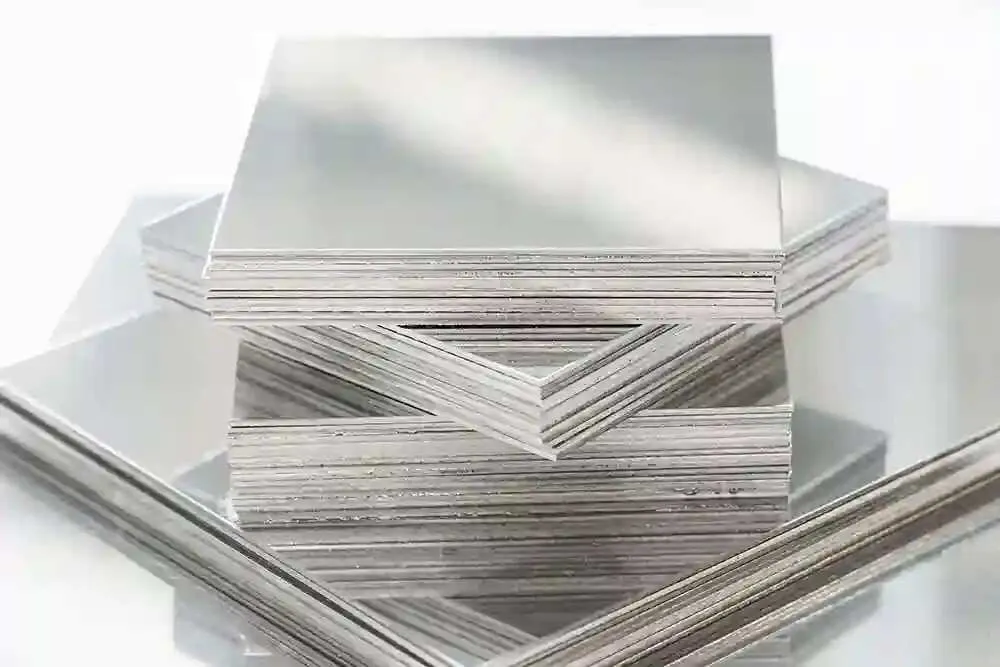
Density is one of pure tungsten’s standout advantages, with nearly twice the density of steel. This property makes it invaluable in applications requiring weight concentration, vibration damping, or radiation shielding. Common industrial uses include:
Counterweights for precision machinery or aerospace equipment
Ballast systems in ships or aircraft
Radiation shielding in medical or nuclear facilities
Components requiring vibration damping
Tungsten carbide, while also dense, is generally 10–15% lighter than pure tungsten due to the addition of metal binders. This slight weight reduction can be advantageous in applications requiring high hardness without excessively increasing component weight.
At first glance, tungsten carbide often appears more expensive per kilogram than pure tungsten. However, in high-wear and high-impact industrial applications, WC usually delivers a lower total cost of ownership due to its extended service life and reduced maintenance needs.
Pure tungsten is less costly per unit weight but may require more frequent replacement in abrasive or high-friction environments. For large-scale production lines or industrial equipment, selecting the correct material upfront can prevent costly downtime and maintenance, ultimately reducing overall project expenses.
|
Feature / Property |
Tungsten Carbide |
Pure Tungsten |
|
Hardness |
Extremely high |
Moderate |
|
Wear Resistance |
Excellent |
Average |
|
Heat Resistance |
High (~1,100°C) |
Extremely high (>3,400°C) |
|
Toughness |
Good (binder-dependent) |
Brittle at low temps |
|
Density |
High |
Very high |
|
Machinability |
Difficult; usually ground with diamond tools |
Difficult; brittle |
|
Best For |
Cutting tools, drilling, mining, high-wear components |
High-temp, high-density, thermal-critical components |
Q1. Which material lasts longer—tungsten carbide or pure tungsten?
For applications involving abrasion or friction, tungsten carbide significantly outperforms pure tungsten. Pure tungsten excels in extreme heat but cannot match the wear resistance of WC.
Q2. Is tungsten carbide harder than pure tungsten?
Yes. Tungsten carbide ranks among the hardest industrial materials, approaching diamond in scratch resistance. Pure tungsten is strong but cannot compete in terms of hardness.
Q3. Can pure tungsten be machined easily?
No. Due to its brittleness, pure tungsten is challenging to machine and often requires specialized grinding or EDM processes. Tungsten carbide is also difficult to machine and typically requires diamond grinding tools.
Q4. Which material is better for cutting tools?
Tungsten carbide is the preferred choice because it maintains sharpness under high-speed conditions and resists wear. Pure tungsten cannot retain a sharp edge effectively.
Q5. Is tungsten carbide more expensive?
Usually yes, but the long-term benefits in wear resistance and durability justify the initial investment, particularly for cutting tools, drilling equipment, and mining machinery.
Q6. Can tungsten carbide withstand high temperatures?
Tungsten carbide performs well up to 1,000–1,100°C but cannot match the extreme heat resistance of pure tungsten, which is preferred in furnace components and aerospace applications.
Q7. Which should I choose for high-density applications?
Pure tungsten offers superior density, making it ideal for counterweights, shielding, and vibration-damping parts.
Q8. Are tungsten carbide and tungsten magnetic?
Pure tungsten is paramagnetic, meaning it is very weakly magnetic.
Tungsten carbide’s magnetism depends on the binder; cobalt-containing WC can exhibit slight magnetism.
Q9. Conclusion: Choosing the Right Material for Your Application
Selecting between tungsten carbide and pure tungsten requires careful consideration of mechanical demands, thermal conditions, and cost constraints.
Tungsten carbide excels in hardness, wear resistance, and impact toughness, making it ideal for tools, mining, and industrial machinery.
Pure tungsten stands out in extreme heat tolerance and density, making it indispensable for aerospace, thermal shielding, and high-density components.
By understanding the unique characteristics of each material and aligning them with your specific operational requirements, you can ensure longer service life, reduced maintenance, and optimized production efficiency—ultimately translating to measurable cost savings and enhanced performance in industrial applications.
Share this page
If you have any product needs or questions, please leave us a message for consultation.
TEL: 86-18623759992
jason@bettmetal.com

Innovating Materials
for a Brighter Future