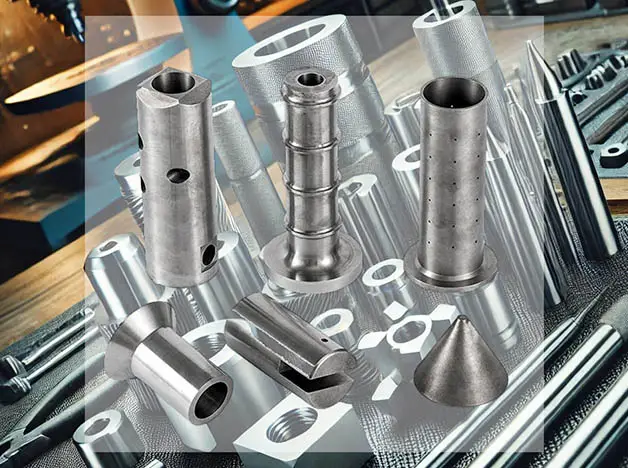
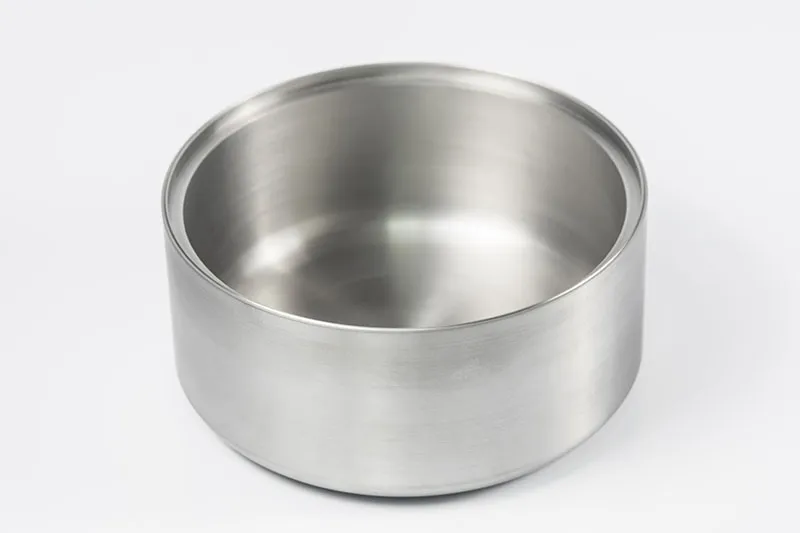
In the demanding world of steel manufacturing, the selection of alloying elements directly determines the performance and lifespan of the final product. Among these, molybdenum stands out as a critical additive that significantly enhances steel properties. For engineers and procurement professionals seeking to specify high-performance steels, understanding the technical advantages of molybdenum is essential. This article explores the core benefits of incorporating molybdenum into steel, providing data-driven insights to support your material selection decisions. As a trusted supplier, Better Metal offers a wide range of molybdenum-alloyed steels tailored to meet rigorous industry standards.
Molybdenum (Mo) is a refractory metal with a melting point above 2600°C and a high modulus of elasticity. When added to steel, even in small amounts (typically 0.15% to 5%), it fundamentally alters the microstructure, yielding improvements that are unattainable with other alloying elements alone. The primary contributions of molybdenum include:
These fundamental effects form the basis for the tangible benefits detailed below.
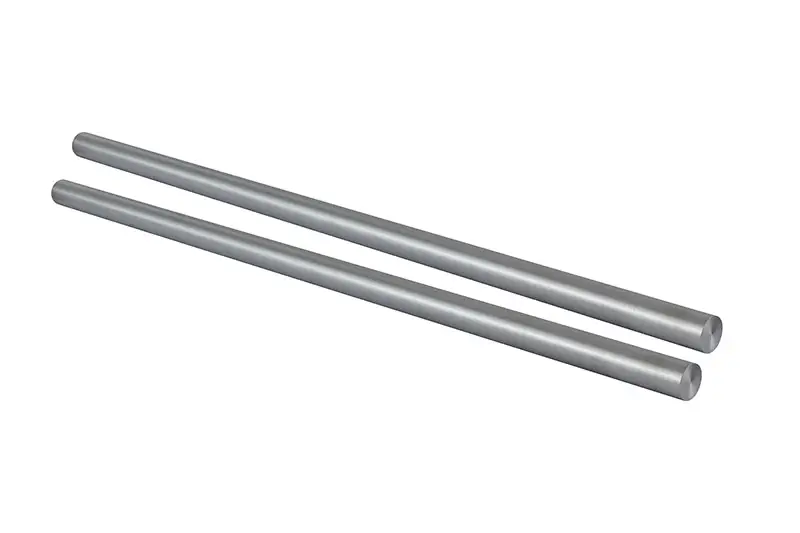
The addition of molybdenum significantly increases the tensile strength and yield strength of steel, especially after heat treatment. In high-strength low-alloy (HSLA) steels, molybdenum contributes to precipitation hardening and solid-solution strengthening. For example, a steel containing 0.5% molybdenum can achieve tensile strengths exceeding 1,200 MPa after appropriate quenching and tempering. Better Metal supplies grades such as 4140 and 4340 where molybdenum plays a crucial role in achieving consistent mechanical properties across varying section sizes.
Molybdenum is a key alloying element in stainless steels, particularly in austenitic and duplex grades. It stabilizes the passive film on the steel surface and improves resistance to pitting and crevice corrosion in chloride-containing environments. The pitting resistance equivalent number (PREN) is directly proportional to molybdenum content: each 1% Mo adds approximately 3.3 to the PREN. This makes molybdenum-bearing steels (e.g., 316, 317L) indispensable in chemical processing, marine, and desalination applications.
Molybdenum increases the creep resistance and high-temperature tensile strength of steel. In tool steels and hot-work steels, molybdenum maintains hardness and prevents softening at operating temperatures up to 600°C. Creep rupture strength can be improved by 200-300% compared to molybdenum-free equivalents. This property is critical for applications such as forging dies, extrusion tooling, and power plant components.
At low temperatures, molybdenum refines the microstructure and reduces the ductile-to-brittle transition temperature (DBTT). Steels containing molybdenum exhibit Charpy V-notch impact values 30-50% higher than similar molybdenum-free grades at -40°C. This makes them ideal for Arctic pipelines, pressure vessels, and structural components in cold climates.
To illustrate why molybdenum is preferred over alternatives in many applications, the following table summarizes key comparisons:
| Property | Molybdenum | Chromium | Vanadium | Nickel |
|---|---|---|---|---|
| Hardenability effect | Strong | Moderate | Weak | Moderate |
| High-temp strength | Excellent | Good | Good | Low |
| Corrosion resistance | Excellent (with Cr) | Good | Minimal | Minimal |
| Cost per unit effect | High efficiency | Lower per kg | Variable | Moderate |
While each element has its niche, molybdenum offers the best combination of deep hardenability, high-temperature strength, and corrosion resistance when precise control of properties is required.
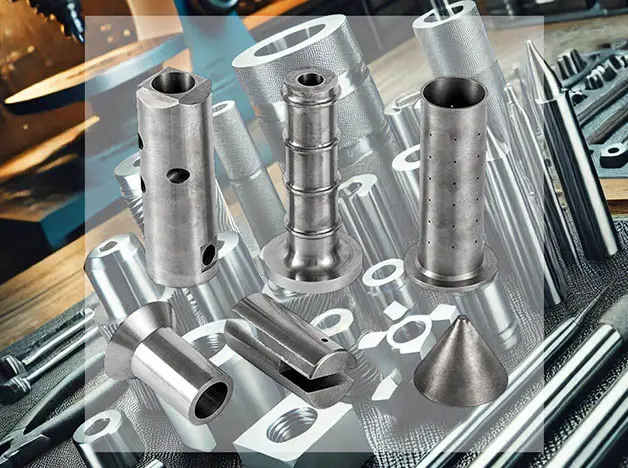
Molybdenum-alloyed steels are employed across multiple sectors. Better Metal supports industries such as:
With over a decade of specialized experience, Better Metal provides industry-certified steel products with tight compositional control and traceability. Our inventory includes a comprehensive range of molybdenum-bearing grades, from standard AISI/SAE to proprietary formulations. We offer mill test reports, third-party inspection support, and just-in-time delivery to keep your production on schedule. By choosing Better Metal, you gain a technical partner who understands the nuances of molybdenum metallurgy and can recommend the optimal grade for your specific application.
It ranges from 0.15% in low-alloy grades to 4-5% in high-speed tool steels. Common structural grades like 4140 contain 0.15-0.25% Mo.
No. Molybdenum is most effective when used in combination with chromium, nickel, and vanadium to achieve balanced properties. Each element contributes differently.
Higher molybdenum content can increase hardenability and potentially lead to cold cracking if preheat and post-weld heat treatment are not properly controlled. Better Metal provides welding guidelines for each grade.
Incorporating molybdenum into steel delivers measurable improvements in strength, corrosion resistance, high-temperature performance, and toughness. For engineers and procurement professionals, specifying molybdenum-alloyed steels from a reliable supplier like Better Metal ensures consistent quality and technical support. Whether you are designing critical components for energy, transportation, or heavy machinery, understanding the benefits of molybdenum empowers you to make informed material decisions that enhance product performance and service life.
Share this page
If you have any product needs or questions, please leave us a message for consultation.
TEL: 86-18623759992
jason@bettmetal.com

Innovating Materials
for a Brighter Future