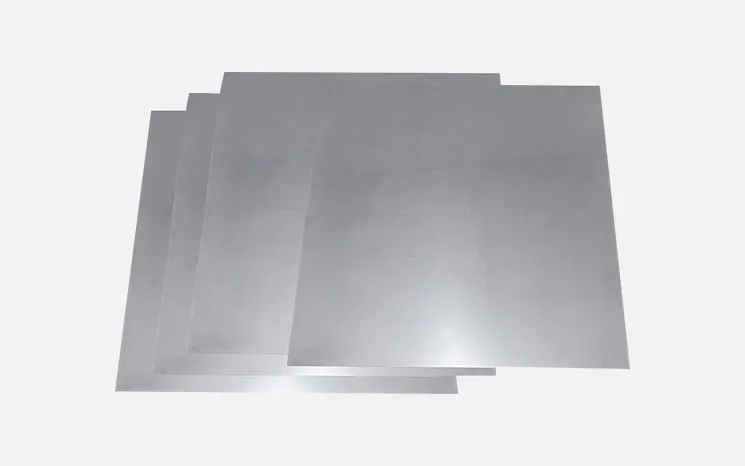
Molybdenum, a high-melting-point refractory metal, has long been essential in steel alloys and chemical catalysts. However, the accelerating global shift toward green energy is reshaping its demand profile. As solar photovoltaic capacity expands, wind turbines scale up, electric vehicle production surges, and next-generation nuclear reactors mature, molybdenum finds itself at the center of the clean energy transition. This article provides a data-driven market outlook, analyzing the specific applications driving demand, the supply chain dynamics that affect availability, and why sourcing from a reliable partner like Better Metal is critical for procurement professionals and investors alike.
Molybdenum's unique combination of high-temperature strength, corrosion resistance, and electrical conductivity makes it indispensable in several green energy sub-sectors. Below we examine the key end-use applications.
Molybdenum is used as a back contact material in copper indium gallium selenide (CIGS) thin-film solar cells. The metal's thermal stability and low resistivity ensure efficient electron collection. As CIGS technology gains traction due to its high efficiency and flexibility (e.g., building-integrated photovoltaics), molybdenum demand from the solar sector is projected to grow at a compound annual rate of over 12% through 2030.
Offshore wind turbines require corrosion-resistant alloys for structural components, gearboxes, and tower fasteners. Molybdenum-alloyed steels (e.g., 4340, 4140) deliver the necessary strength-to-weight ratio and fatigue resistance. With global offshore wind capacity expected to reach 350 GW by 2030 (up from 64 GW in 2022), the wind sector will absorb an estimated 8,000–10,000 metric tons of molybdenum annually.
EV drivetrain components — from battery enclosures to motor shafts — rely on molybdenum-containing high-strength steel or specialty alloys. Moreover, molybdenum disulfide (MoS₂) is used as a solid lubricant in EV transmissions, reducing friction and extending battery range. According to industry estimates, each EV uses approximately 0.5–1.2 kg of molybdenum, implying a demand of 12,000–30,000 tons per year if global EV sales reach 40 million units by 2030.
Gen IV nuclear reactors (e.g., molten salt reactors, advanced gas-cooled reactors) operate at higher temperatures and require corrosion-resistant materials. Molybdenum-based alloys, such as TZM (titanium-zirconium-molybdenum), retain strength above 1200°C and are being evaluated for core components. Even a modest 10 GW of new Gen IV capacity could generate demand for 500–1,000 tons of high-purity molybdenum annually.
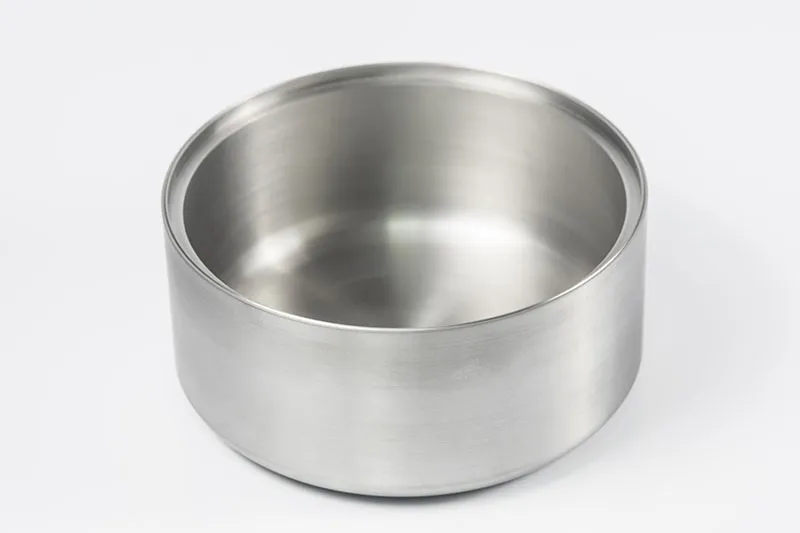
The global molybdenum market was valued at approximately $3.8 billion in 2023. Driven by green energy sectors, it is forecast to reach $5.5–6.0 billion by 2030, representing a compound annual growth rate (CAGR) of 5.5–7%. Key drivers include:
Procuring molybdenum for green energy applications requires careful attention to purity, traceability, and delivery consistency. Key factors to evaluate when selecting a supplier:
Better Metal has positioned itself as a trusted partner in this evolving landscape. With over a decade of experience in the advanced materials supply chain, Better Metal offers a comprehensive range of molybdenum products tailored to green energy clients — including high-purity CIGS-grade Mo targets, custom-alloyed ferromolybdenum, and certified TZM alloys for nuclear applications. Their quality assurance processes ensure batch-to-batch consistency, and their dedicated technical support team helps customers optimize material selection for specific performance requirements.
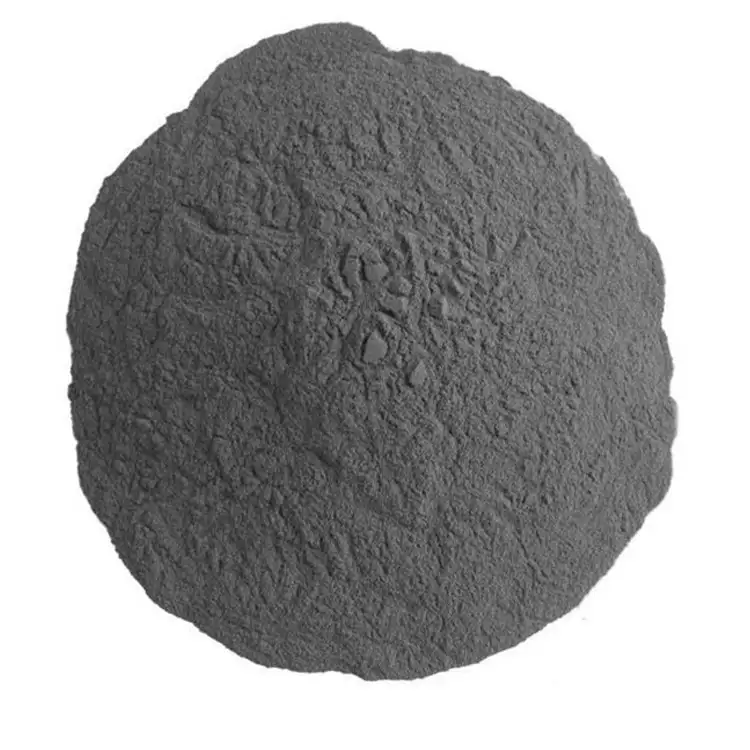
The molybdenum market is entering a period of structurally higher demand, fueled by the green energy transition. While short-term price volatility may occur due to macroeconomic cycles, the long-term trend is unequivocally upward. For procurement professionals, it is advisable to:
In summary, molybdenum deserves a prominent place in the materials strategy of any company active in solar, wind, EV, or advanced nuclear manufacturing. By aligning with a quality-focused supplier such as Better Metal, organizations can assure supply reliability and gain a competitive edge in the rapidly growing green energy markets.
Share this page
If you have any product needs or questions, please leave us a message for consultation.
TEL: 86-18623759992
jason@bettmetal.com

Innovating Materials
for a Brighter Future