In the demanding environments of oil and gas extraction and processing, equipment failure is not just a cost issue—it is a safety and operational risk. Corrosion, high temperatures, and mechanical stress rapidly degrade components such as tubing, valves, and heat exchangers. Molybdenum has emerged as a critical alloying element that dramatically improves the longevity of these parts. By understanding how molybdenum works at the materials science level, engineers and procurement professionals can make informed decisions that reduce downtime and total cost of ownership.
Molybdenum is a refractory metal with unique chemical and physical properties. When added to steels and nickel-based alloys, it imparts several key benefits:
These properties make molybdenum-containing alloys the preferred choice for critical oil and gas applications, from downhole tools to surface piping.
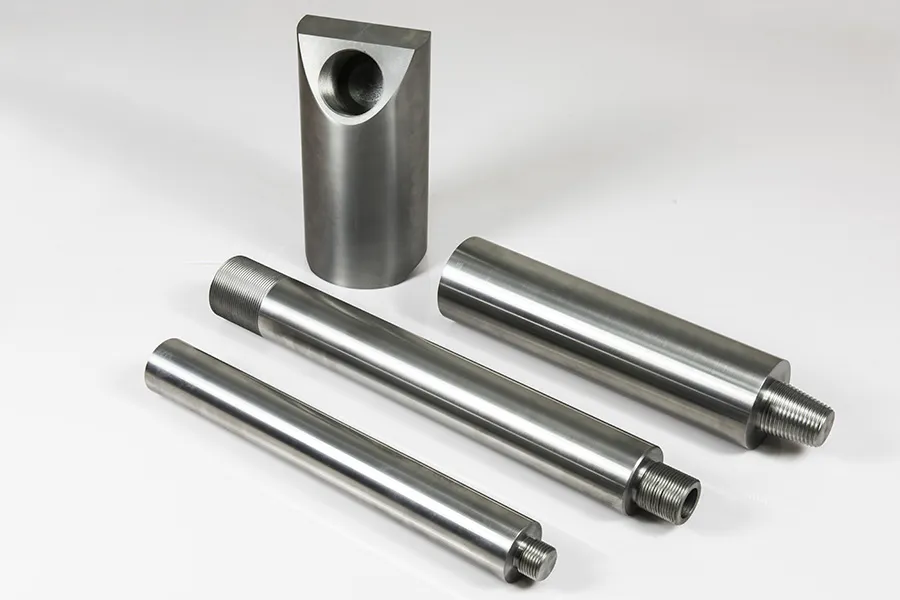
Deep wells often encounter sour gas containing H2S and CO2. Standard carbon steel corrodes rapidly. Molybdenum-alloyed stainless steels (e.g., 316L, 6Mo super austenitic) and nickel alloys (Alloy 625, C-276) offer the necessary resistance. For extreme depths where temperature exceeds 150°C, molybdenum-rich alloys maintain strength and prevent sulfide stress cracking.
High-pressure flow lines and choke valves experience erosion and corrosion. Incorporating molybdenum into the base metal reduces wear rate and extends service intervals. In subsea manifolds, where maintenance is prohibitively expensive, molybdenum-containing alloys are standard.
In refineries and LNG plants, heat exchangers are exposed to cooling water and process fluids. Molybdenum-bearing stainless steels (type 317L or 904L) resist pitting from chlorides, ensuring long-term thermal efficiency.
To illustrate the value proposition, the table below summarizes typical performance in key oil and gas environments:
| Property | Carbon Steel | 316L SS (2% Mo) | Alloy C-276 (16% Mo) |
|---|---|---|---|
| Corrosion in H2S/CO2 | Poor | Good | Excellent |
| Maximum service temperature | ~400°C | ~800°C | ~1000°C |
| Resistance to chloride pitting | Very low | Moderate | High |
| Relative cost | Low | Moderate | High |
While higher molybdenum content increases alloy cost, the total lifecycle cost is often lower due to fewer replacements and reduced maintenance. Better Metal recommends performing a cost-benefit analysis for each application.
Choosing the optimal molybdenum level depends on three factors:
Better Metal provides technical datasheets and welding recommendations for all its molybdenum alloy products to assist engineers in specification.
Molybdenum is not merely an additive—it is a strategic investment against premature failure. Oil and gas operators who prioritize equipment lifespan and safety consistently specify molybdenum-enhanced alloys for critical service. By partnering with a reliable supplier like Better Metal, you gain access to certified materials, traceable origin, and expert metallurgical support. Extend your equipment lifespan today by evaluating your current alloy selections against molybdenum’s proven benefits.
Share this page
If you have any product needs or questions, please leave us a message for consultation.
TEL: 86-18623759992
jason@bettmetal.com

Innovating Materials
for a Brighter Future