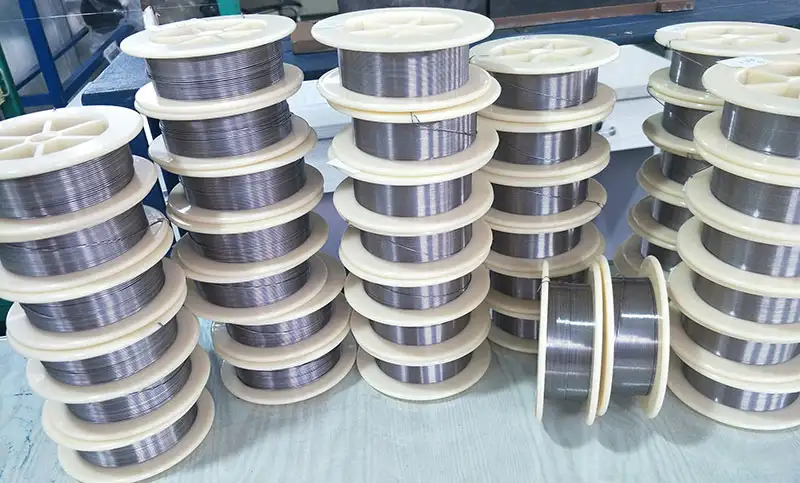
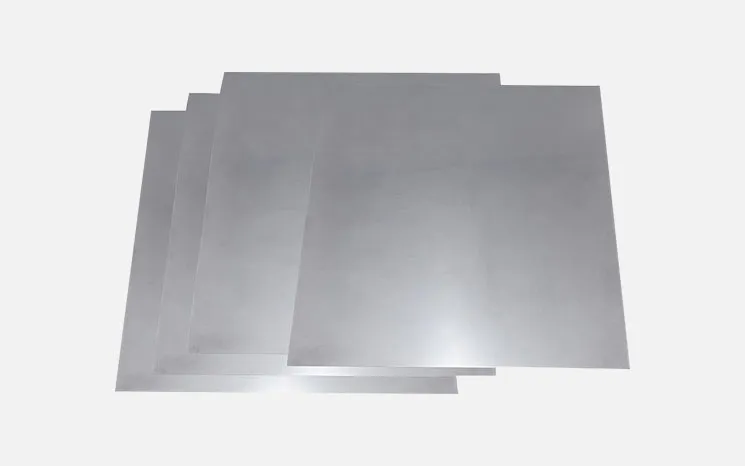
Selecting the correct molybdenum grade is a critical engineering decision that directly impacts component performance, service life, and overall project cost. Molybdenum and its alloys offer exceptional high-temperature strength, thermal conductivity, and corrosion resistance, but different grades—such as pure molybdenum, TZM, and ML alloys—exhibit distinct mechanical and chemical properties. This guide provides a structured approach to match molybdenum grades with your specific operating conditions, ensuring you avoid premature failure or unnecessary overspecification. At Better Metal, we combine decades of metallurgical expertise with precise grade control to deliver the ideal material for your demanding applications.
Molybdenum grades are typically defined by their alloying elements and processing methods. The most common categories include:
Each grade conforms to standards such as ASTM B386, B387, or AMS specifications. Understanding these classifications is the first step in eliminating unsuitable candidates early in the selection process.
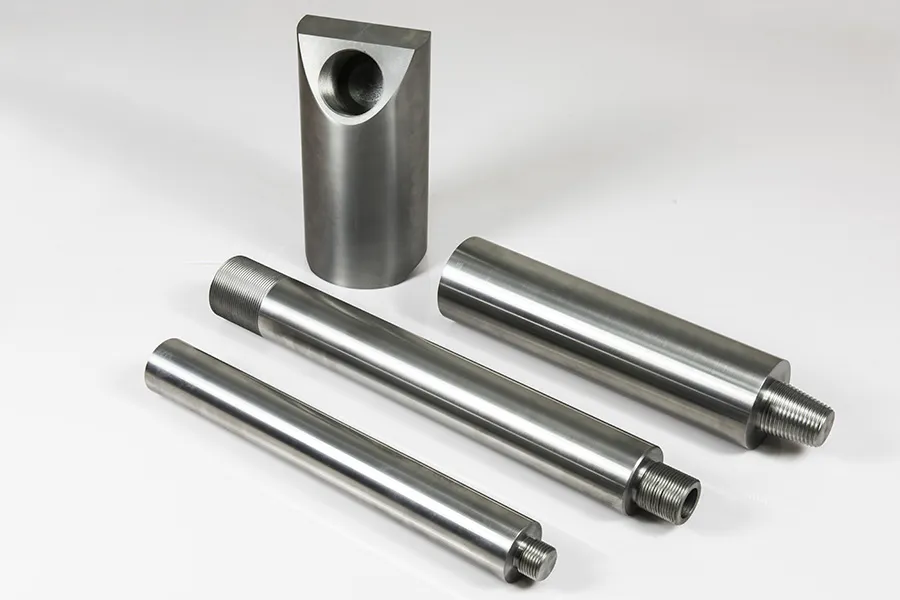
To choose the right grade, you must evaluate how each material behaves under your specific service conditions. The table below summarizes critical parameters; note that actual values depend on processing history, grain size, and thermal treatment.
| Property | Pure Mo | TZM | Mo-La |
|---|---|---|---|
| Recrystallization Temperature (°C) | 1100–1200 | 1300–1400 | 1200–1300 |
| Creep Strength (100h, 1200°C, MPa) | ~20 | ~40 | ~30 |
| Ductile-Brittle Transition Temperature (°C) | 100–200 | −50 to 50 | −10 to 70 |
| Typical Application Temperature Range (°C) | Up to 1600 (inert atmosphere) | Up to 1700 | Up to 1650 |
While TZM offers the best high-temperature strength, it is more expensive and harder to machine than pure Mo. Mo-La provides a good balance between cost and performance when moderate ductility is required after thermal cycling.
In chemical process environments, molybdenum grades exhibit excellent resistance to reducing acids (e.g., HCl, H2SO4) but are attacked by oxidizing media. Pure Mo shows the highest purity but may suffer intergranular attack in certain molten metals. TZM and Mo-La generally maintain similar corrosion profiles, though alloying elements can slightly alter passivation behavior. Always consult material compatibility charts for your specific chemical exposure.
The selection process can be systematized into a three-step workflow:
Better Metal’s technical team can help you run preliminary stress simulations and supply samples for validation. We also offer custom processing (e.g., stress-relieved or recrystallized conditions) to tailor the final product to your exact specifications.
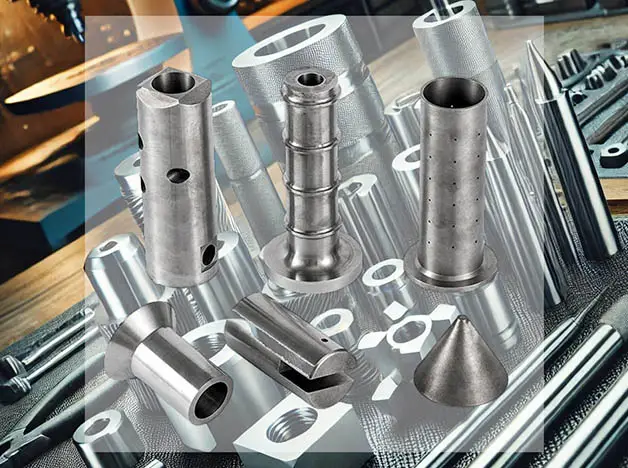
Better Metal has been a trusted partner for industries ranging from semiconductor manufacturing to aerospace propulsion. Our advantages include:
For projects requiring tight tolerances or specialized heat treatments, Better Metal offers precision machining and stress-relieving services to meet ISO 9001 and AS9100 standards.
In inert or vacuum environments, pure Mo can survive short excursions above 1600°C, but long-term creep strength drops rapidly. TZM or ODS alloys are recommended for sustained operation beyond 1600°C.
TZM can be welded using electron beam or laser techniques, but precautions are needed to avoid cracking. Pre-heating and post-weld heat treatment are typically required. Better Metal can supply pre-welded assemblies with verified weld procedures.
Key factors: outgassing rate (< 10−9 Torr·L/s·cm2), recrystallization stability, and resistance to furnace atmosphere interactions. Pure Mo and TZM are common choices; Better Metal provides surface treatments (e.g., glow discharge cleaning) to minimize contamination.
Choosing the right molybdenum grade is a matter of matching material properties to your process constraints. By following the framework above and leveraging Better Metal’s expertise, you can confidently specify a grade that delivers long-term reliability and cost efficiency. Contact our application engineers today to start your selection process.
Share this page
If you have any product needs or questions, please leave us a message for consultation.
TEL: 86-18623759992
jason@bettmetal.com

Innovating Materials
for a Brighter Future