Molybdenum, a critical refractory metal, underpins modern steel alloys, lubricants, and catalysts. Yet its extraction and processing carry significant environmental footprints. This article examines the ecological costs of molybdenum mining and contrasts them with the clear benefits of recycling, offering industrial buyers a framework for sustainable sourcing. For companies aiming to reduce supply chain emissions, partnering with a specialized recycler like Better Metal can transform molybdenum procurement into an environmentally responsible choice.
Molybdenum ore is typically found in low concentrations (0.01–0.5%), requiring large-scale excavation. The mining lifecycle—from drilling and blasting to crushing, grinding, and flotation—consumes enormous energy and water, and generates vast quantities of waste.
Open-pit molybdenum mines can span hundreds of hectares. The removal of overburden destroys topsoil and vegetation, fragmenting ecosystems. Even underground operations cause subsidence and surface disruption. Post-mining land rehabilitation is costly and seldom restores full biodiversity.
Processing one ton of molybdenum concentrate can require 2–5 cubic meters of water. Runoff from mine sites often carries heavy metals (arsenic, lead, cadmium) and sulfates, contaminating local waterways. Acid mine drainage, a persistent problem in sulfide-bearing ores, can lower pH and mobilize toxic metals for decades.
Crushing and grinding ore accounts for up to 60% of a mine's energy demand. Combined with hauling and processing, the carbon footprint of primary molybdenum production ranges from 15–25 kg CO₂ per kg of metal, depending on ore grade and energy source. This figure is a growing concern for downstream manufacturers targeting net-zero goals.
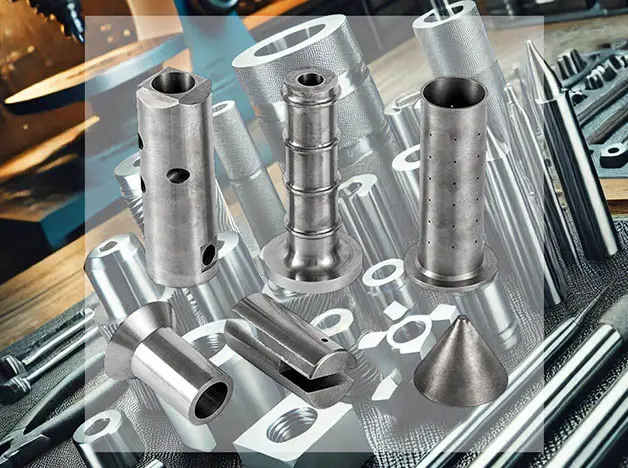
Recycling molybdenum from scrap—whether from end-of-life superalloys, catalysts, or manufacturing swarf—avoids nearly all the negative externalities of mining. The environmental savings are compelling.
While recycling is environmentally superior, it faces technical and logistical hurdles. Molybdenum is often alloyed with other metals (nickel, chromium, tungsten), requiring separation processes. Collection networks for scrap are fragmented, and contamination (e.g., with copper or iron) can degrade quality. Furthermore, the price volatility of primary molybdenum sometimes makes recycling economically marginal. However, advances in sorting and smelting technologies are steadily overcoming these barriers.
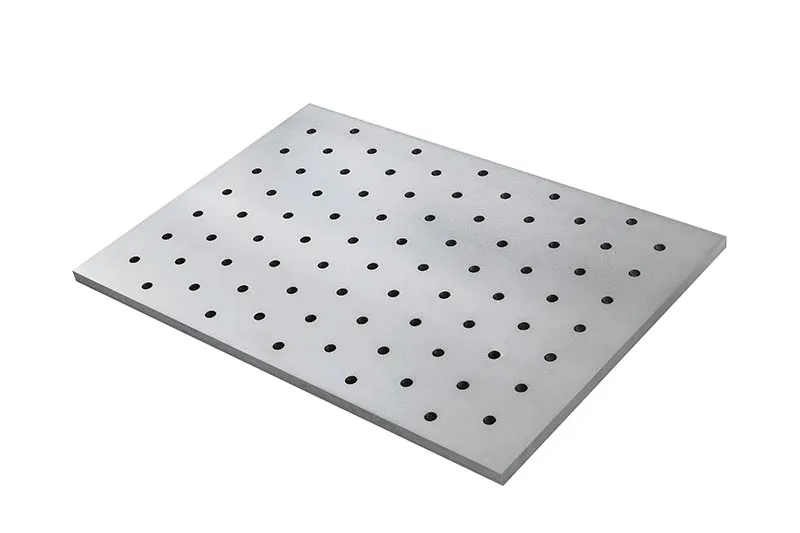
Better Metal operates a dedicated molybdenum recycling facility that processes both clean scrap and complex alloy residues. Employing proprietary separation techniques, the company achieves >98% recovery rates while meeting strict purity standards demanded by aerospace, automotive, and tooling sectors. By choosing Better Metal as a molybdenum supplier, customers directly reduce Scope 3 emissions and support a circular economy model. The company also provides full material traceability, helping buyers document the recycled content of their products.
The choice between mined and recycled molybdenum is not just a material specification—it is an environmental strategy. Mining imposes lasting damage on landscapes, water resources, and the atmosphere. Recycling, while not yet at full scale, offers a clear path to decarbonize the molybdenum supply chain. For procurement professionals and sustainability officers, working with a proven recycler like Better Metal ensures that every kilogram purchased carries a lower ecological debt. Moving forward, integrating recycled molybdenum into production represents a concrete step toward responsible resource stewardship.
Share this page
If you have any product needs or questions, please leave us a message for consultation.
TEL: 86-18623759992
jason@bettmetal.com

Innovating Materials
for a Brighter Future